Wu Sangui 1612 – 1678
Biography
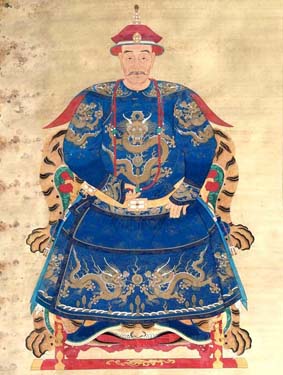
Wu Sangui was born on January 1, 1612, in Suizhong County, during a period of significant upheaval in Chinese history. He rose to prominence as a military commander whose decisions would shape the political landscape of his era. Throughout his career, he wielded considerable influence over the fate of empires, navigating the complex currents of power that defined seventeenth-century China.
His life was marked by the difficult choices demanded of those in positions of authority during times of dynastic transition. Wu Sangui’s actions as a general left an indelible mark on the course of history, though his legacy remains complex and subject to varied interpretations. Whether viewed as a pragmatist responding to circumstances beyond his control or as an ambitious figure pursuing his own interests, his influence on events was undeniable.
Wu Sangui spent his final years in Hengyang, where he died on October 2, 1678, succumbing to dysentery. His death marked the end of a remarkable life lived during one of China’s most transformative periods. Though the location of his burial remains unknown to history, the memory of Wu Sangui endures as that of a consequential figure whose decisions reverberated through the annals of Chinese history.