Wilhelm von Humboldt 1767 – 1835
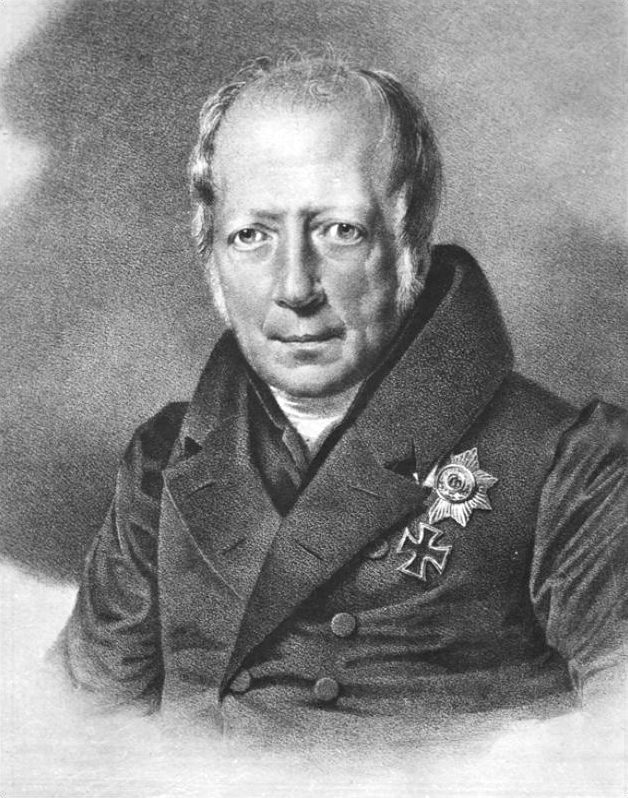
Biography
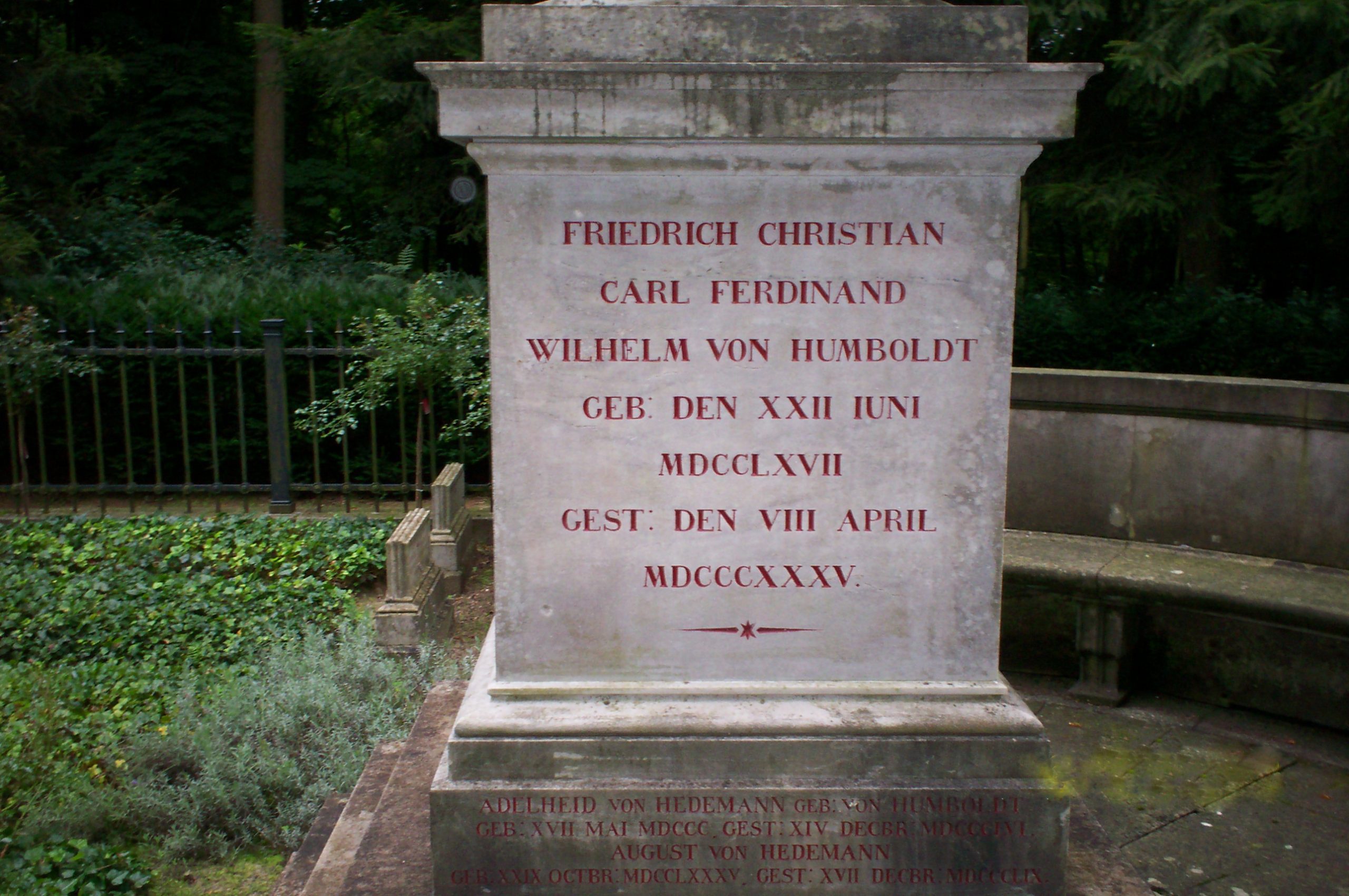
Wilhelm von Humboldt was born on June 22, 1767, in Kabinetthaus, arriving into a world undergoing profound intellectual transformation. A Prussian of remarkable versatility, he would spend his lifetime bridging the disciplines of philosophy, statecraft, and education, becoming one of the nineteenth century’s most influential thinkers on the nature of human development and learning.
His career encompassed service as a government official and diplomat, roles through which he applied his philosophical insights to practical governance. Beyond administration, Humboldt dedicated himself to educational reform, believing that learning should cultivate the full potential of the individual rather than serve narrow state interests. His ideas about education and human flourishing would leave a lasting imprint on educational philosophy for generations to come.
On April 8, 1835, Humboldt died in Tegel, concluding a life of intellectual and public service. He was interred at Schloss Tegel in Reinickendorf, Germany, where his legacy remained rooted in the Prussian landscape he had called home. His contributions to philosophy, diplomacy, and educational thought continued to shape discourse long after his passing.
More Images