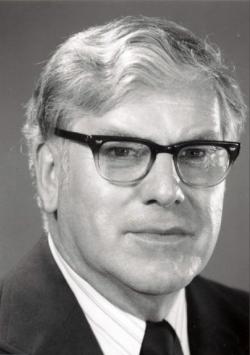
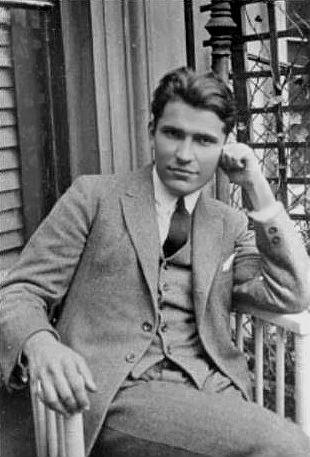
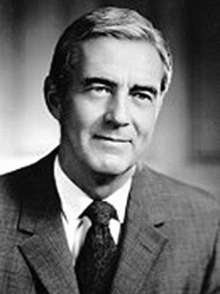
Selman Abraham Waksman 1888 – 1973
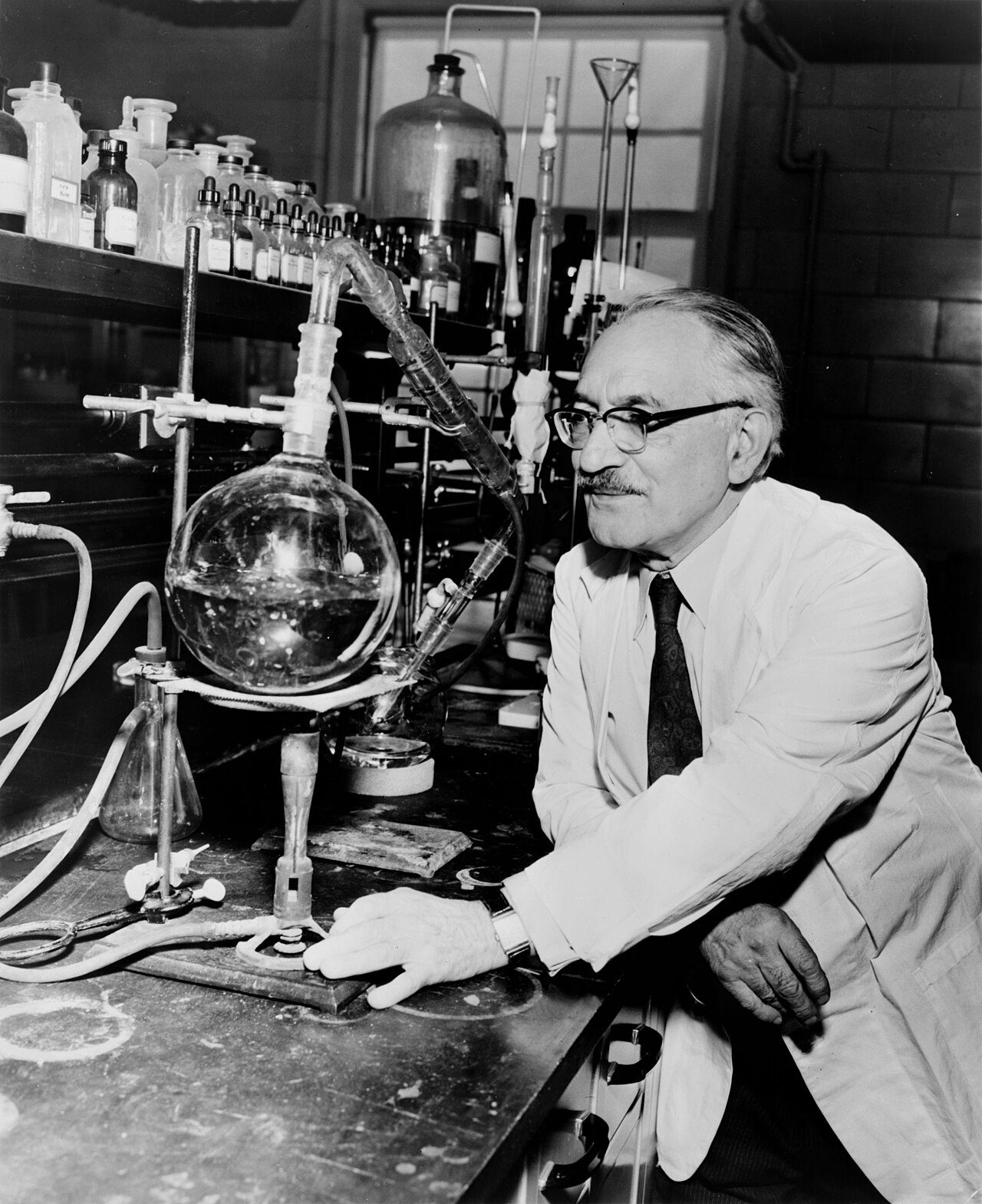
Biography
Selman Abraham Waksman was born on July 22, 1888, in Nova Pryluka, beginning a life that would profoundly impact modern medicine. His career as a scientist, biochemist, and microbiologist led him to make discoveries that would save countless lives. Among his most significant achievements was the discovery of streptomycin, a breakthrough antibiotic that opened new frontiers in the treatment of infectious diseases and marked a major turning point in medical history.
Throughout his distinguished career, Waksman’s work extended beyond streptomycin to the discovery of numerous other antibiotics. His contributions to microbiology and biochemistry established him as a pioneering figure in the field, advancing our understanding of microorganisms and their potential for therapeutic use. His legacy reflects a lifelong dedication to scientific inquiry and the pursuit of treatments that could benefit humanity.
Waksman spent his final years in Woods Hole, where he passed away on August 16, 1973. He was laid to rest at Woods Hole Village Cemetery, a quiet resting place reflecting the peaceful Massachusetts coastal community where he spent his later years. His life’s work continues to influence medicine and microbiology, cementing his place among the most important scientific minds of the twentieth century.