Lal Bahadur Shastri 1904 – 1966
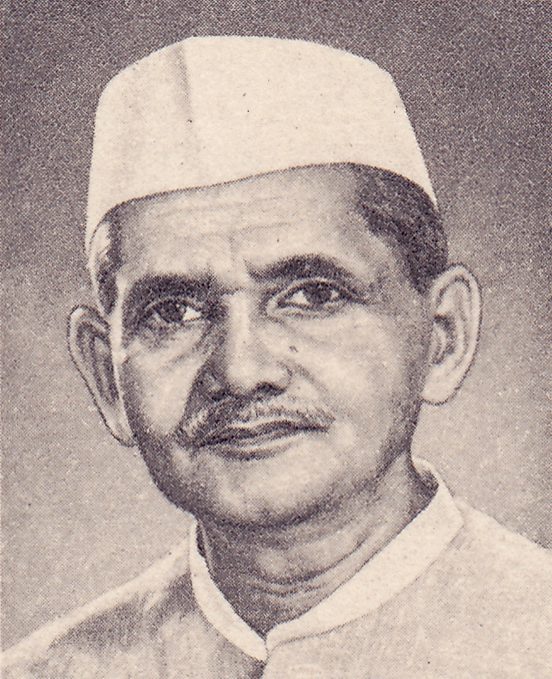
Biography
Lal Bahadur Shastri was born on October 2, 1904, in Pandit Deen Dayal Upadhyaya Nagar, beginning a life devoted to public service. He rose to prominence during a transformative period in Indian history, ultimately serving as Prime Minister of India during critical years for the young nation. His leadership came at a time when the country faced significant challenges both domestically and internationally.
Shastri’s tenure was marked by his commitment to steering India through complex political and diplomatic circumstances. Though his time in this highest office was relatively brief, he left an indelible mark on the nation’s trajectory. His dedication to his responsibilities reflected the principles that had guided his career in public life.
On January 11, 1966, Shastri suffered a myocardial infarction while in Tashkent, cutting short a life of considerable promise and service. His death represented a significant loss to India and the international community. In recognition of his contributions to the nation, he was interred at Raj Ghat and its associated memorials in Central Delhi, a place of honor reserved for leaders of exceptional stature. His legacy continues to be remembered by those who study India’s formative years.