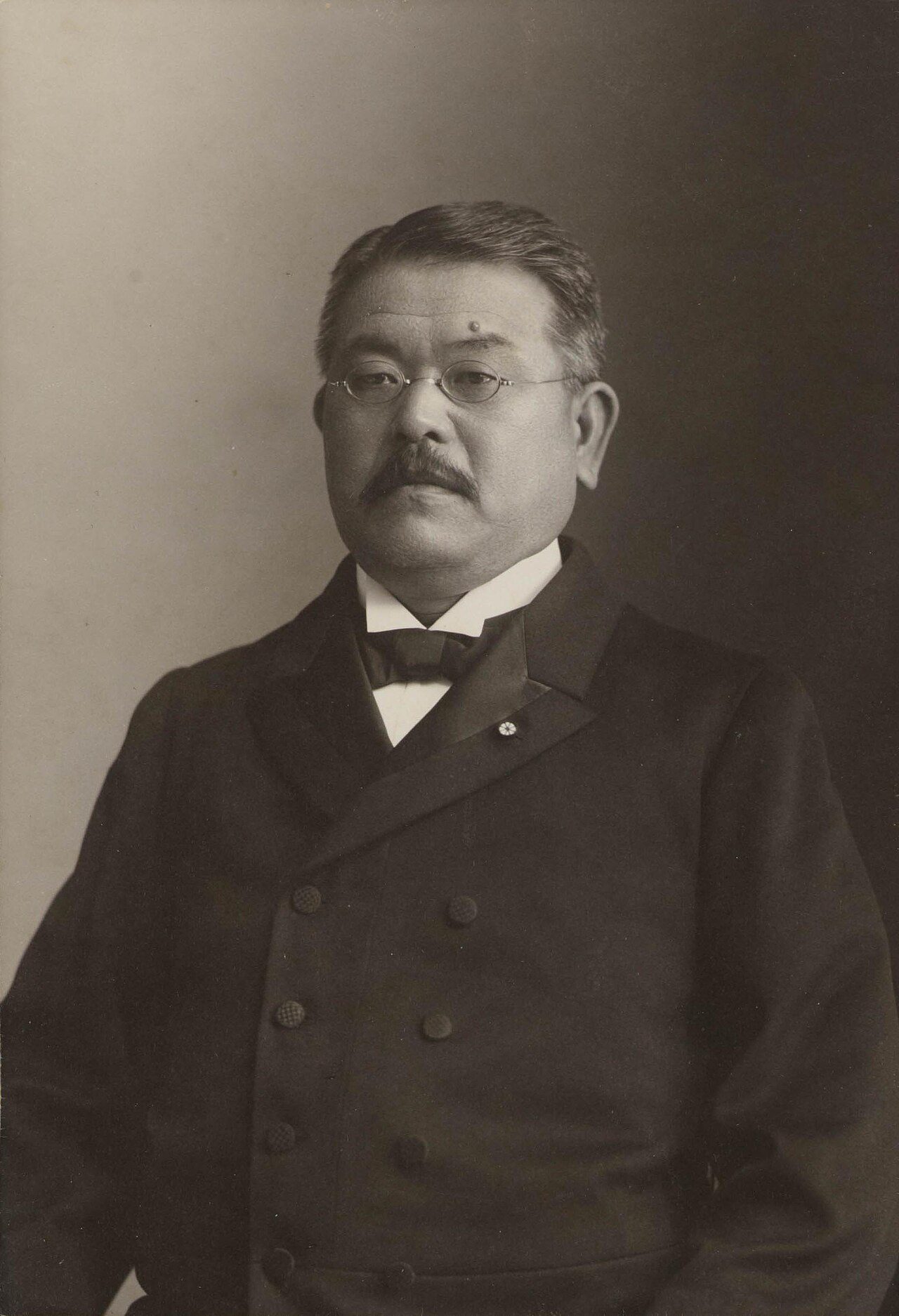
Kitasato Shibasaburō 1853 – 1931
Biography
Kitasato Shibasaburō was born on January 29, 1853, in Oguni, Japan, during a time of significant transformation for his country. He would go on to become one of Japan’s most distinguished scientific pioneers, dedicating his career to the study of bacteria and the human immune system. His work in bacteriology and immunology represented a crucial bridge between traditional Japanese medicine and modern Western scientific methods, establishing him as a respected figure in the international scientific community.
Throughout his life, Kitasato pursued rigorous research that advanced the understanding of infectious diseases and immune responses. His contributions to bacteriology and immunology helped shape medical science during a formative period, earning him recognition both within Japan and abroad. He exemplified the spirit of scientific inquiry and remained committed to his work throughout his career.
Kitasato Shibasaburō passed away on June 13, 1931, in Tokyo, concluding a life devoted to scientific advancement. His legacy extended far beyond his lifetime, influencing generations of researchers who followed in his footsteps. He was laid to rest at Aoyama Cemetery in Minami-Aoyama, Japan, where he remains honored as a pioneering figure in the history of modern medicine and bacteriology.