Frank Murphy 1890 – 1949
Biography
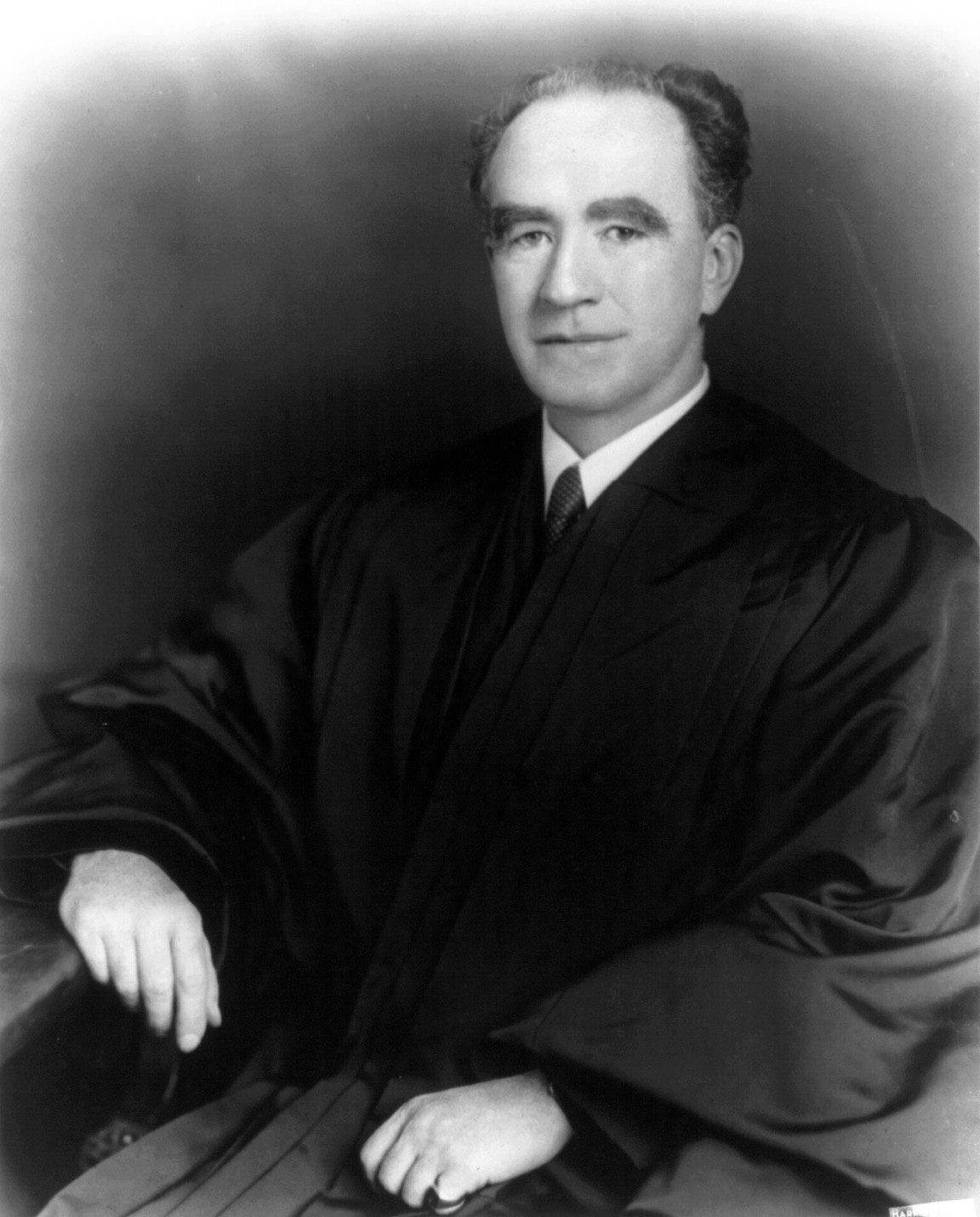
Justice Frank Murphy (born William Francis Murphy) joined the U.S. Supreme Court on February 5, 1940, replacing Justice Pierce Butler. Murphy was born on April 13, 1890 near the coast of Lake Huron in Michigan. He graduated in 1912 from the University of Michigan and stayed there for law school, receiving his law degree two years later. After serving in the U.S. Army during the First World War, he pursued graduate education at Trinity College in Dublin and Lincoln’s Inn in London.
Upon returning to the U.S., Murphy served as Assistant U.S. Attorney in the Eastern District of Michigan. He also briefly practiced law in Detroit and then was elected in 1923 to a seat on the Detroit criminal court, known as the Recorder’s Court. Murphy served on the Recorder’s Court until 1930, when he was elected Mayor of Detroit. He held this post during the challenging period of the Great Depression, during which he supported Franklin Roosevelt and his New Deal agenda.
In 1933, Roosevelt rewarded Murphy for his support by appointing him as Governor-General of the Philippine Islands. As the Philippines transitioned toward independence, the federal government ended the position of Governor-General in 1935. However, Murphy held the post of U.S. High Commissioner to the Philippines until the end of the following year.
Murphy became Governor of Michigan in 1937 but served only a single two-year term. After he lost his reelection bid, Roosevelt appointed him as U.S. Attorney General. Just one year later, on January 4, 1940, Roosevelt nominated Murphy to the Supreme Court. The Senate confirmed him on January 16, and he took the judicial oath about three weeks later. Although Murphy stayed on the Court for less than a decade, he served with three different Chief Justices: Charles Evans Hughes, Harlan Fiske Stone, and Fred M. Vinson.
Murphy developed a reputation as a compassionate jurist. His detractors felt that he sometimes took this trait too far, deciding cases based on emotion rather than reason. Murphy belonged to the liberal bloc of Justices during this period. Together with Justices William Douglas, Hugo Black, and Wiley Blount Rutledge, he favored a more assertive vision of judicial power than the restraint famously endorsed by Justice Felix Frankfurter. Murphy deserves credit for dissenting from the infamous 1944 decision in Korematsu v. U.S., in which the Court ruled that the Japanese-American internment camps during the Second World War were constitutional.
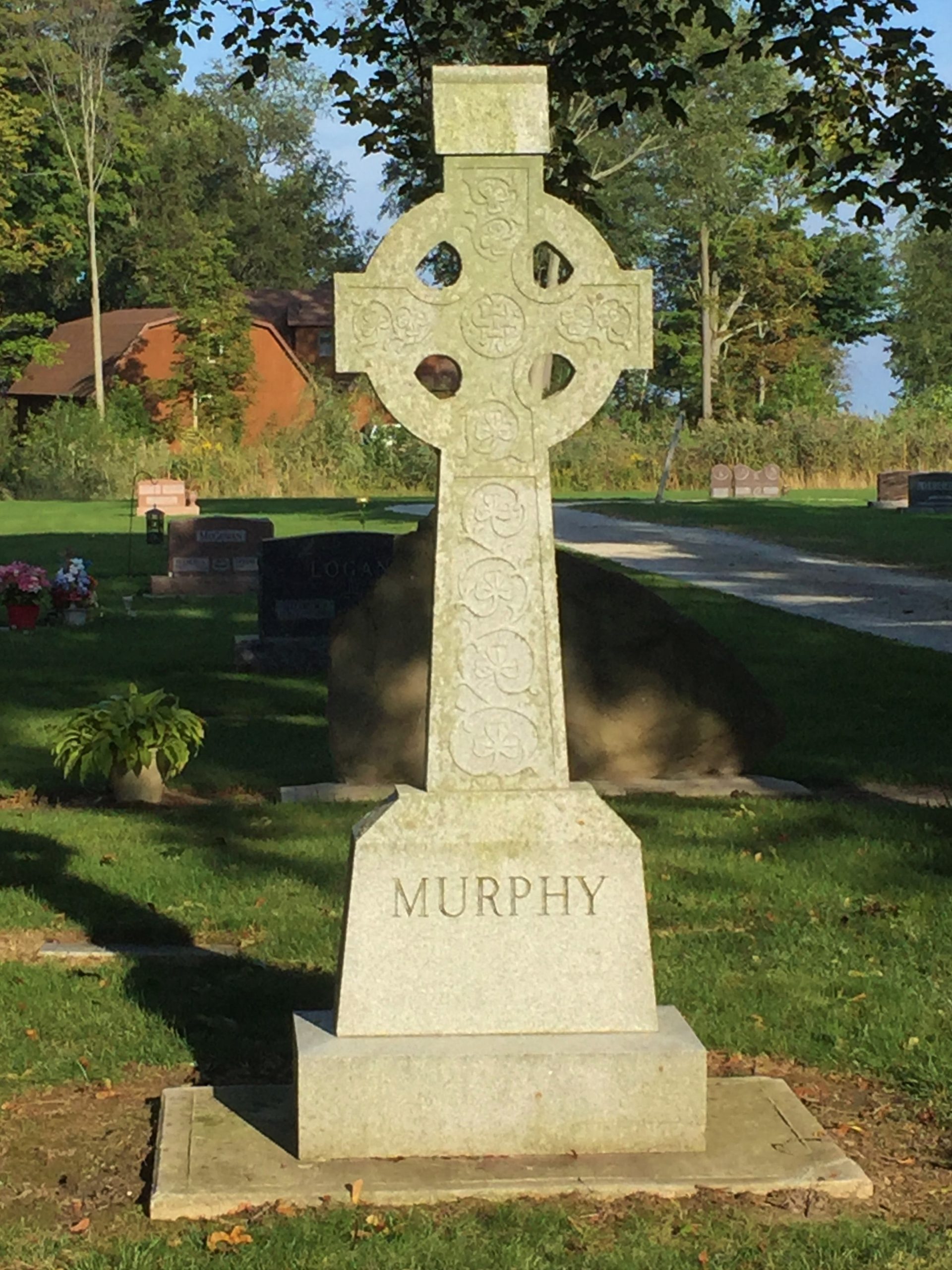
Murphy died on July 19, 1949 in Detroit during the summer recess of the Court. He was only 59 years old. Justice Tom C. Clark replaced him on the Court.
More Images
Watch William
YouTube video player
Cemetery Map
View larger map →Satellite overview of the cemetery grounds.