Aleijadinho 1730 – 1814
Biography
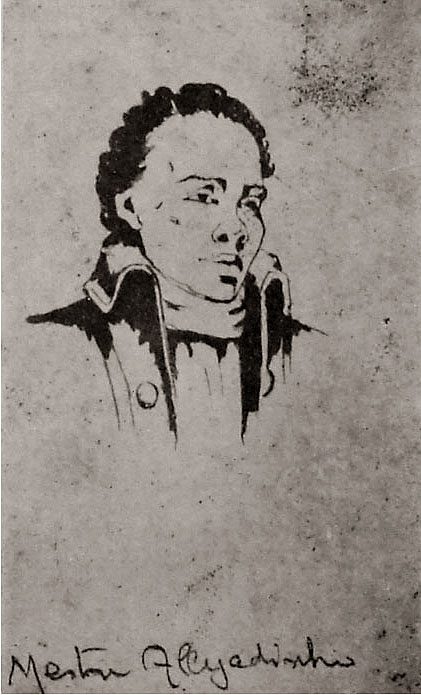
Antônio Francisco Lisboa, known throughout his life as Aleijadinho, was born on August 29, 1730, in the mining town of Cachoeira do Campo in Colonial Brazil. He would become one of the most celebrated sculptors and architects of the Brazilian Baroque period, leaving an indelible mark on the artistic landscape of his homeland. Despite facing profound personal hardship, Aleijadinho dedicated his life to creating works of extraordinary beauty and spiritual depth that continue to inspire admiration centuries later.
Aleijadinho’s career was marked by remarkable productivity and innovation, as he designed and carved religious sculptures and architectural elements throughout Minas Gerais. His artistry reflected the unique blend of Portuguese colonial tradition and Brazilian sensibility, establishing him as a defining figure in Brazilian artistic heritage. His works demonstrate masterful technique and profound emotional resonance, revealing an artist of rare talent and vision.
In his later years, Aleijadinho was afflicted with leprosy, a disease that progressively limited his physical abilities. Yet he continued his artistic endeavors with unwavering determination, adapting his methods to overcome his physical constraints. He spent his final years in Ouro Preto, where he passed away on November 18, 1814, at the age of eighty-four. His legacy endures as a testament to the power of human creativity and resilience in the face of adversity.