Constantine the African 1050 – 1087
Biography
Constantine the African was born on January 1, 1050, in Carthage, a city rich with intellectual tradition. During his lifetime, he emerged as a significant figure in medieval scholarship, dedicating himself to the monastic life and the pursuit of knowledge. His work would leave a lasting impression on the development of medical learning in Europe during the eleventh century.
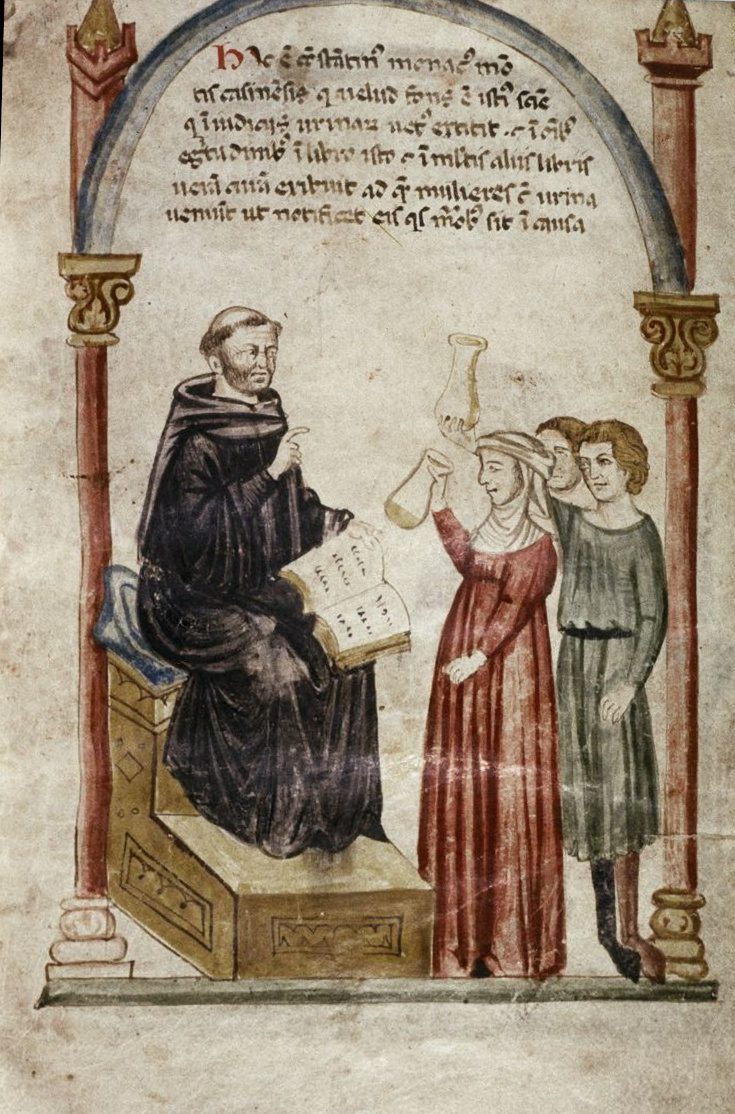
Constantine spent his religious life at the Abbey of Monte Cassino, one of Europe’s most important centers of learning and spiritual contemplation. There, he devoted himself to translating medical works, a labor that required both linguistic skill and deep understanding of complex scientific concepts. His translations helped bridge the gap between classical medical knowledge and the Christian scholarly world, making invaluable texts accessible to European monks and physicians.
Constantine passed away on January 1, 1087, at the Abbey of Monte Cassino, the place he had called home during his most productive years. Though details of his final days remain unrecorded, his legacy endured through the medical texts he preserved and translated. Constantine the African stands as a testament to the vital role monks played in transmitting ancient wisdom to later generations, ensuring that crucial knowledge would not be lost to history.