Abu al-Faraj al-Isfahani 897 – 967
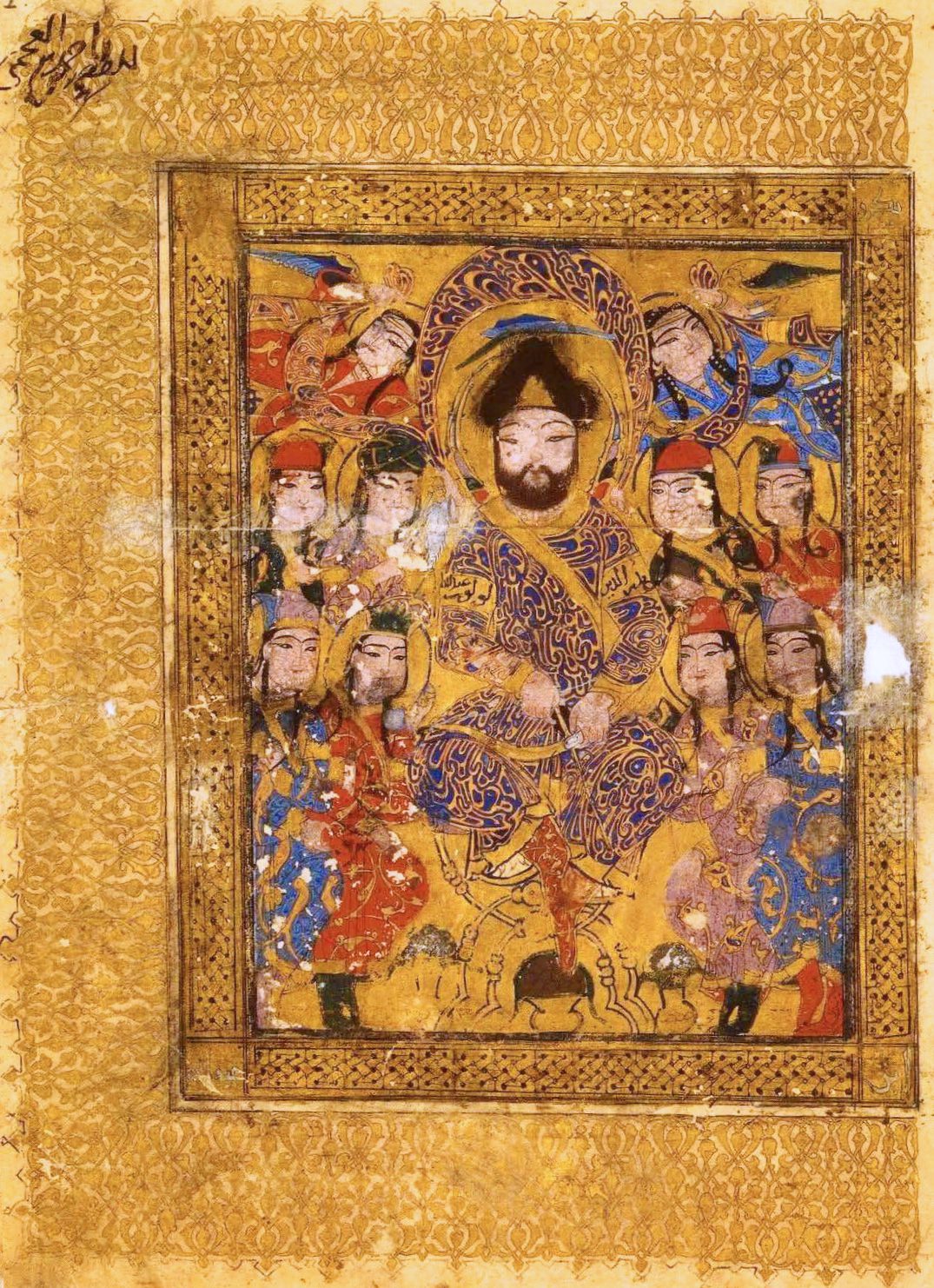
Biography
Abu al-Faraj al-Isfahani was born on January 1, 897, in the city of Isfahan, where he spent his formative years immersed in the intellectual traditions of the Islamic world. Over the course of his long life, he distinguished himself as a versatile scholar whose contributions spanned multiple disciplines, including history, literature, poetry, and musicology. His diverse interests reflected the breadth of medieval Islamic learning, and his work would come to influence scholars and students for generations to come.
During his lifetime, al-Isfahani established himself as a respected voice in the cultural and intellectual circles of the Islamic golden age. His writings drew upon extensive knowledge and careful observation, allowing him to document and analyze the societies, traditions, and artistic practices he encountered. Whether through his historical accounts, literary compositions, or studies of music, he demonstrated a commitment to preserving and advancing human knowledge across the sciences and humanities.
Al-Isfahani spent his later years in Baghdad, one of the great centers of learning in the medieval world. He died there on November 25, 967, at the age of seventy, leaving behind a substantial legacy of scholarship. His work remains a valuable testament to the intellectual vitality of tenth-century Islamic civilization and continues to serve as an important source for understanding the cultural and social dimensions of his era.