Frederick Barbarossa 1122 – 1190
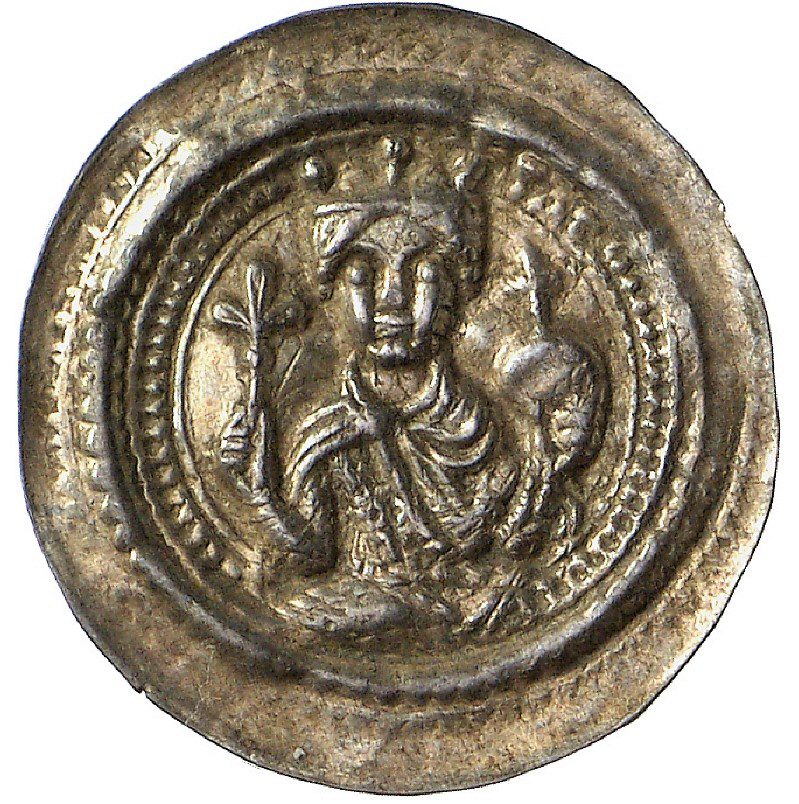
Biography
Frederick Barbarossa, born December 1, 1122, in Haguenau, rose to become one of medieval Europe’s most significant rulers. His reign as Holy Roman Emperor, spanning from 1155 until his death in 1190, left an indelible mark on the political landscape of his era. Known by his distinctive red beard—from which his name “Barbarossa” derived—Frederick commanded respect and authority throughout his extensive domains.
His life came to a tragic end on June 17, 1190, when he drowned in the River Göksu while undertaking one of the great endeavors of his reign. Despite the unexpected manner of his death, Frederick’s legacy endured far beyond that fateful day. His remains were treated with the reverence befitting his station, interred at the Church of Saint Peter in Antakya, Turkey, a burial place reflective of the vast territories he had influenced and the extent of his ambitions.
Frederick Barbarossa’s thirty-five-year reign represented a pivotal chapter in Holy Roman history, during which he shaped the destiny of numerous kingdoms and peoples across Europe and the Mediterranean.