Robert Koch 1843 – 1910
Biography
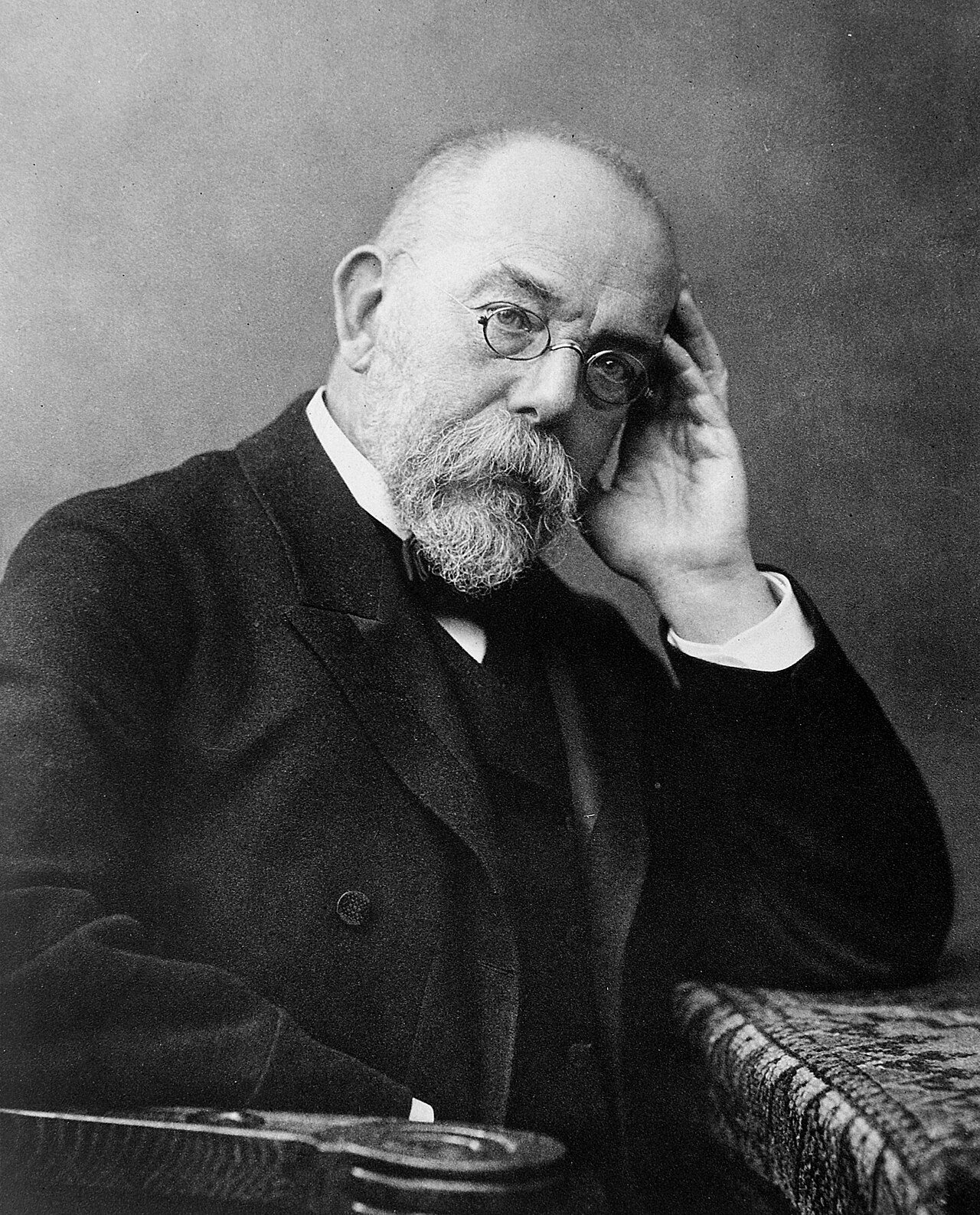
Robert Koch was born on December 11, 1843, in the mining town of Clausthal, Germany. He would dedicate his life to medicine and scientific discovery, eventually becoming one of history’s most influential bacteriologists. His work fundamentally transformed our understanding of disease and established foundational principles that guided medical science for generations to come.
As a German physician and bacteriologist, Koch conducted groundbreaking research that revolutionized microbiology and public health. His rigorous scientific methods and innovations in laboratory techniques opened entirely new avenues for investigating the causes of infectious disease. Through his careful work, he demonstrated connections between specific microorganisms and particular illnesses, establishing the scientific basis for modern germ theory.
Koch’s contributions extended far beyond his laboratory, influencing how physicians and public health officials approached disease prevention and treatment worldwide. His legacy shaped the development of modern medicine and continues to be recognized as fundamental to our ability to combat infectious diseases.
On May 27, 1910, Koch died in Baden-Baden from a myocardial infarction, bringing to a close a remarkable career. Though he is no longer with us, his pioneering work and dedication to scientific truth remain an enduring testament to the power of rigorous inquiry and human dedication to improving health and saving lives.