Napoleon 1769 – 1821
Politicians
Politicians
Biography
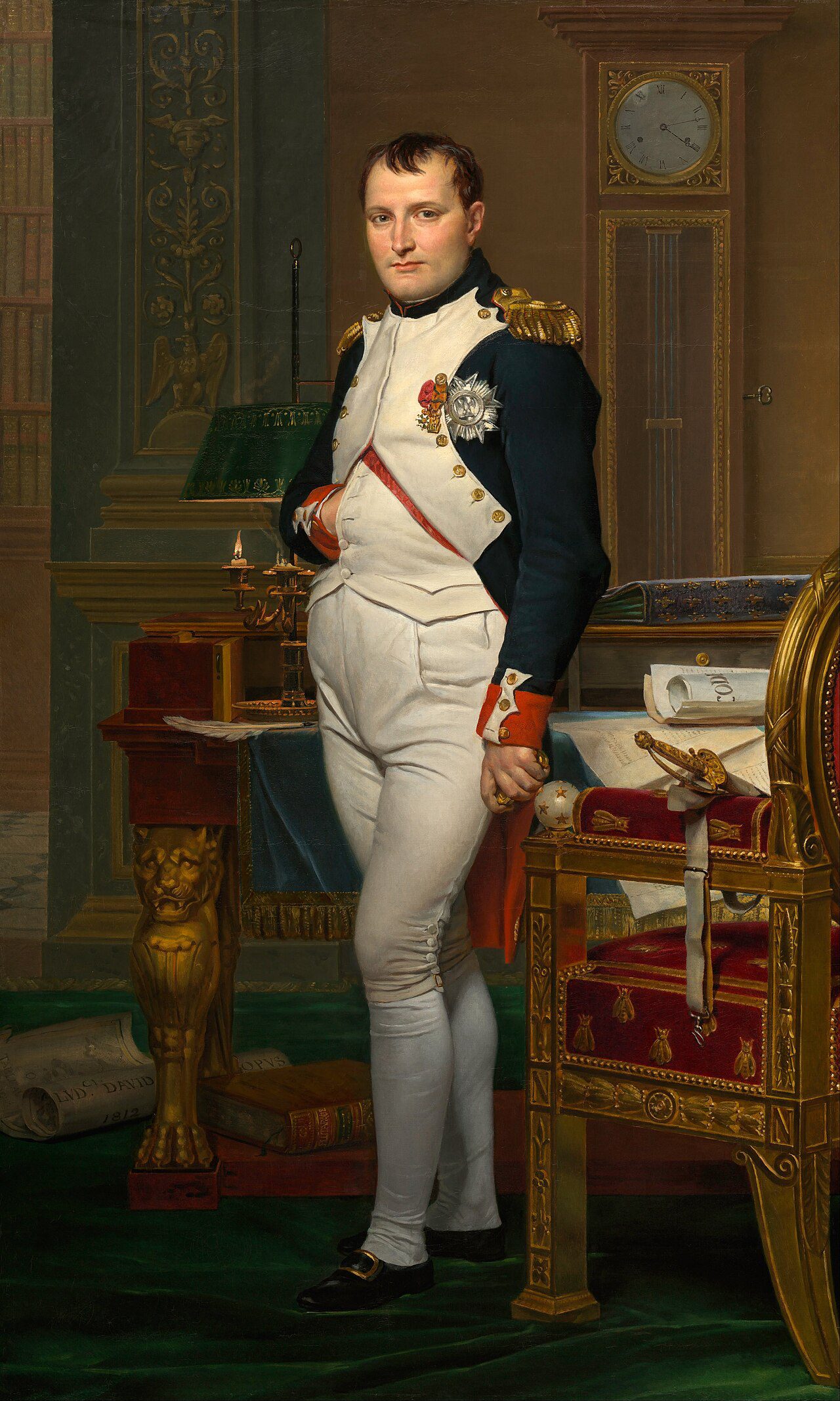
Napoleon was born on August 15, 1769, in Ajaccio, a city that would forever hold a place in his identity and legacy. Rising through military ranks during a transformative period in European history, he became one of the most influential figures of his era, reshaping the continent through his military campaigns and political reforms. His leadership fundamentally altered the course of nations and left an indelible mark on the institutions and laws that persisted long after his lifetime.
At the height of his power, Napoleon served as Emperor of France, first from 1804 to 1814, and again briefly in 1815. His reign was marked by significant administrative, legal, and military achievements that influenced European society for generations to come. Though his ambitions ultimately faced insurmountable opposition from the great powers aligned against him, his influence on modern governance and military strategy endured.
In his final years, Napoleon was exiled to Longwood House on the remote island of Saint Helena. It was there, on May 5, 1821, that he died of stomach cancer at the age of fifty-one. He was interred at the Valley of the Tomb on Saint Helena, a fitting resting place for a man whose life had spanned continents and transformed empires. His legacy continues to be studied and debated by historians and the public alike.