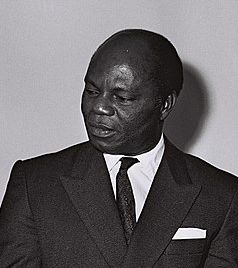
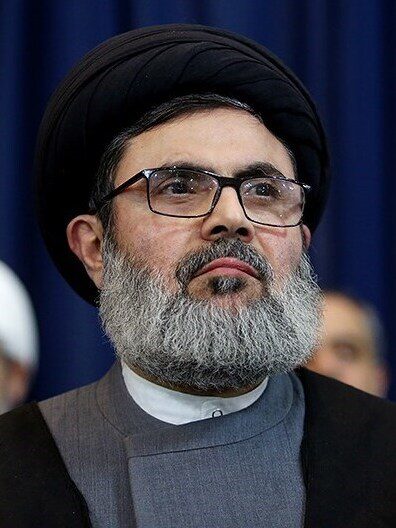
Muḥammad Bāqir aṣ-Ṣadr 1935 – 1980
Biography
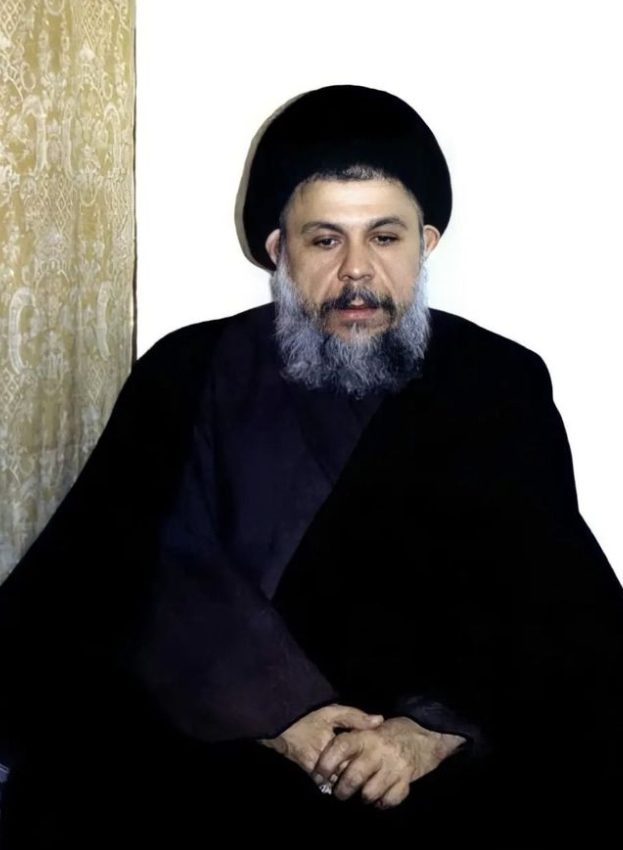
Muḥammad Bāqir aṣ-Ṣadr was born on March 1, 1935, in Kadhimiya, a city steeped in spiritual significance. From his early years, he dedicated himself to religious scholarship and philosophical inquiry, becoming a respected voice within the Shia community. His intellectual contributions extended far beyond theological study, as he worked to bridge classical Islamic thought with contemporary social and political challenges facing his people.
Throughout his life, aṣ-Ṣadr served as a guiding force in shaping Islamic political ideology. He was instrumental in founding the Islamic Dawa Party, establishing a framework for religious activism that would influence generations of believers. His writings and teachings reflected a deep commitment to both spiritual authenticity and social justice, earning him recognition as both a philosopher and a religious leader of considerable influence.
On April 9, 1980, aṣ-Ṣadr’s life was cut short by violence in Baghdad. He was laid to rest in Wadi-us-Salaam, the sacred cemetery in Najaf, Iraq, where countless generations have been honored. His legacy endures through his intellectual contributions and the movements he inspired, remaining a significant figure in modern Islamic thought and history.
Cemetery Map
View larger map →Satellite overview of the cemetery grounds.