Muhammad Abduh 1849 – 1905
Biography
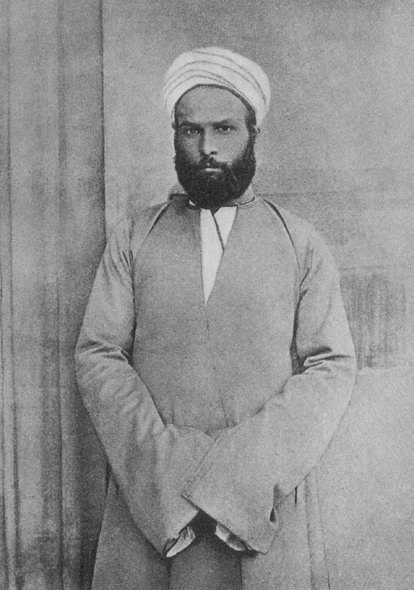
Muhammad Abduh was born on January 1, 1849, in the village of Shubra Khit, Egypt. He would go on to become one of the most influential Islamic scholars and reformers of his era, dedicating his life to both religious jurisprudence and progressive social thought. His work bridged traditional Islamic scholarship with modern liberal ideas, positioning him as a pivotal intellectual figure in late nineteenth-century Egypt and the broader Islamic world.
Throughout his career, Abduh earned recognition as an accomplished Islamic jurist and religious scholar whose interpretations of Islamic law and theology sought to reconcile faith with contemporary values. His reformist approach to Islamic thought influenced generations of students and thinkers, contributing significantly to discussions about modernization within Muslim societies. He remained committed to advancing both religious understanding and social progress during a transformative period in Egyptian history.
Muhammad Abduh passed away on July 11, 1905, in Alexandria at the age of fifty-six, succumbing to kidney cancer. His death marked the end of an extraordinary intellectual and spiritual journey that had left an indelible mark on Islamic scholarship and Egyptian thought. Though his earthly presence ended, his scholarly legacy and reformist ideas continued to resonate throughout the Islamic world and beyond.