Max Weber 1864 – 1920
Biography
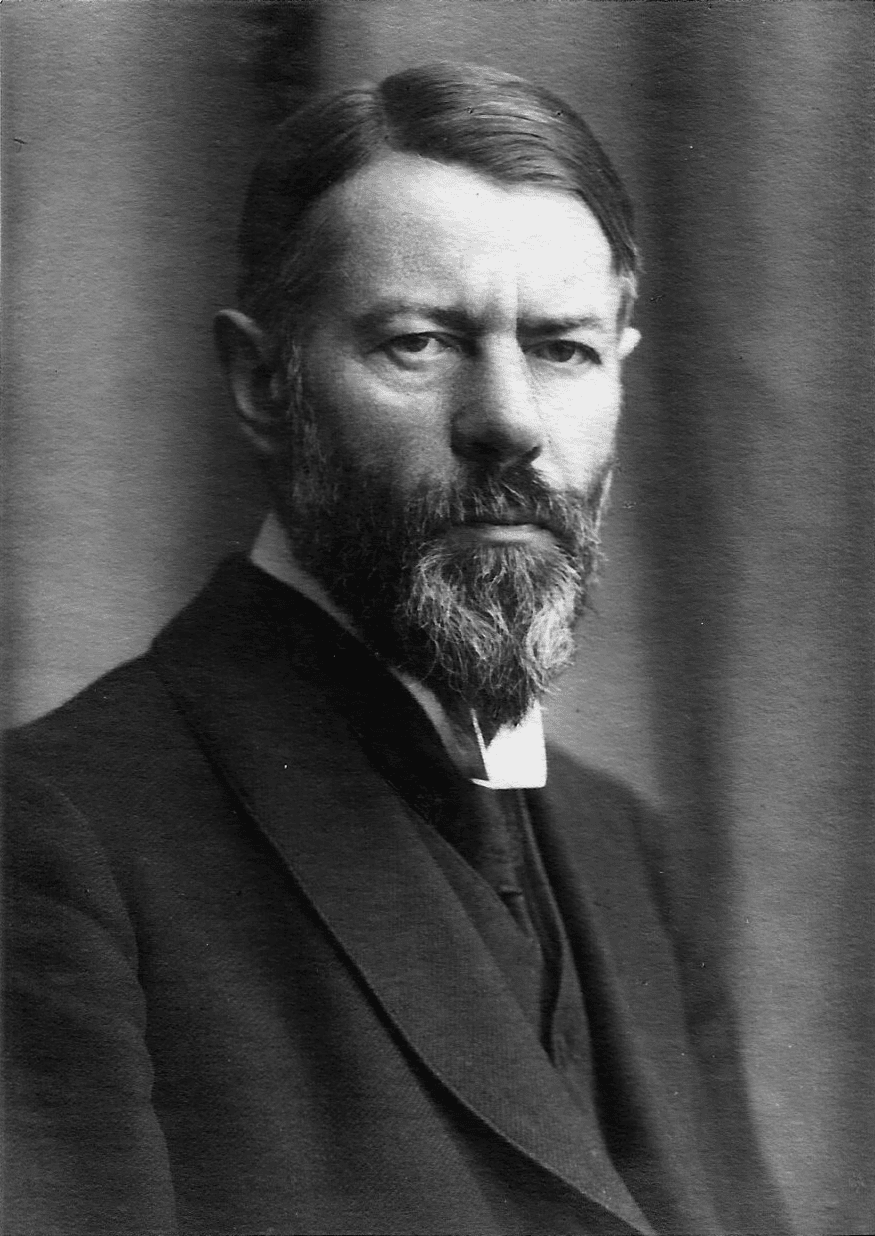
Max Weber was born on April 21, 1864, in Erfurt, Germany, during a period of significant social and intellectual transformation across Europe. Over the course of his life, he became one of the most influential thinkers of his era, establishing himself as a sociologist, philosopher, and political economist whose work would shape academic discourse for generations to come.
Throughout his career, Weber devoted himself to understanding the complex forces that drive human society and economic systems. His intellectual contributions spanned multiple disciplines, reflecting a rare breadth of knowledge and analytical insight. He worked to bridge philosophy with empirical study, creating frameworks that helped explain the relationship between culture, economics, and social organization.
Weber spent much of his productive life in Heidelberg, where he engaged with some of the most important intellectual questions of his time. His influence extended across borders, establishing him as a central figure in European thought. On June 14, 1920, Weber passed away in Munich at the age of fifty-six, claimed by pneumonia. He was laid to rest at Bergfriedhof in Heidelberg, a final return to the city that had been central to his scholarly life and legacy.