Ludwig Erhard 1897 – 1977
Biography
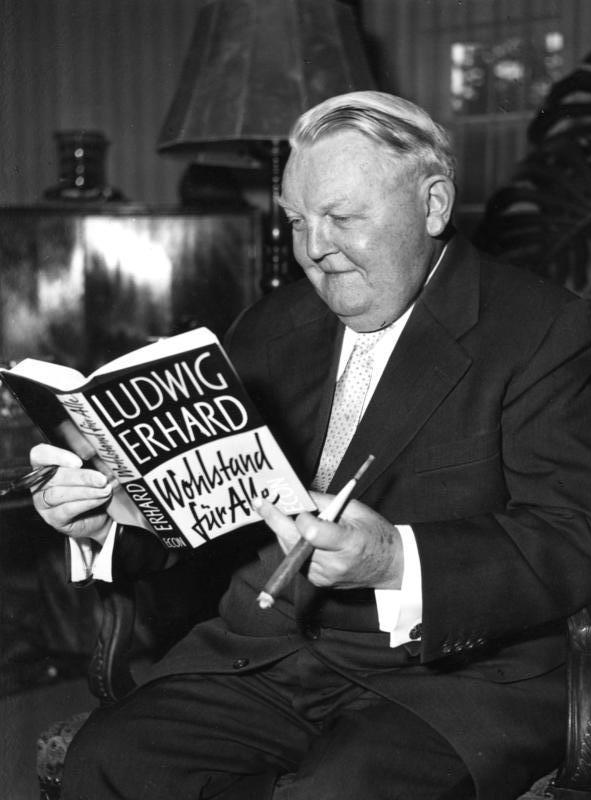
Ludwig Erhard was born on February 4, 1897, in Fürth, Germany, and would become one of the most influential political figures of twentieth-century Europe. His life spanned a transformative era marked by profound change and reconstruction across the continent. Though his years were spent amid the complexities of modern history, Erhard dedicated himself to public service and leadership during critical periods in his nation’s development.
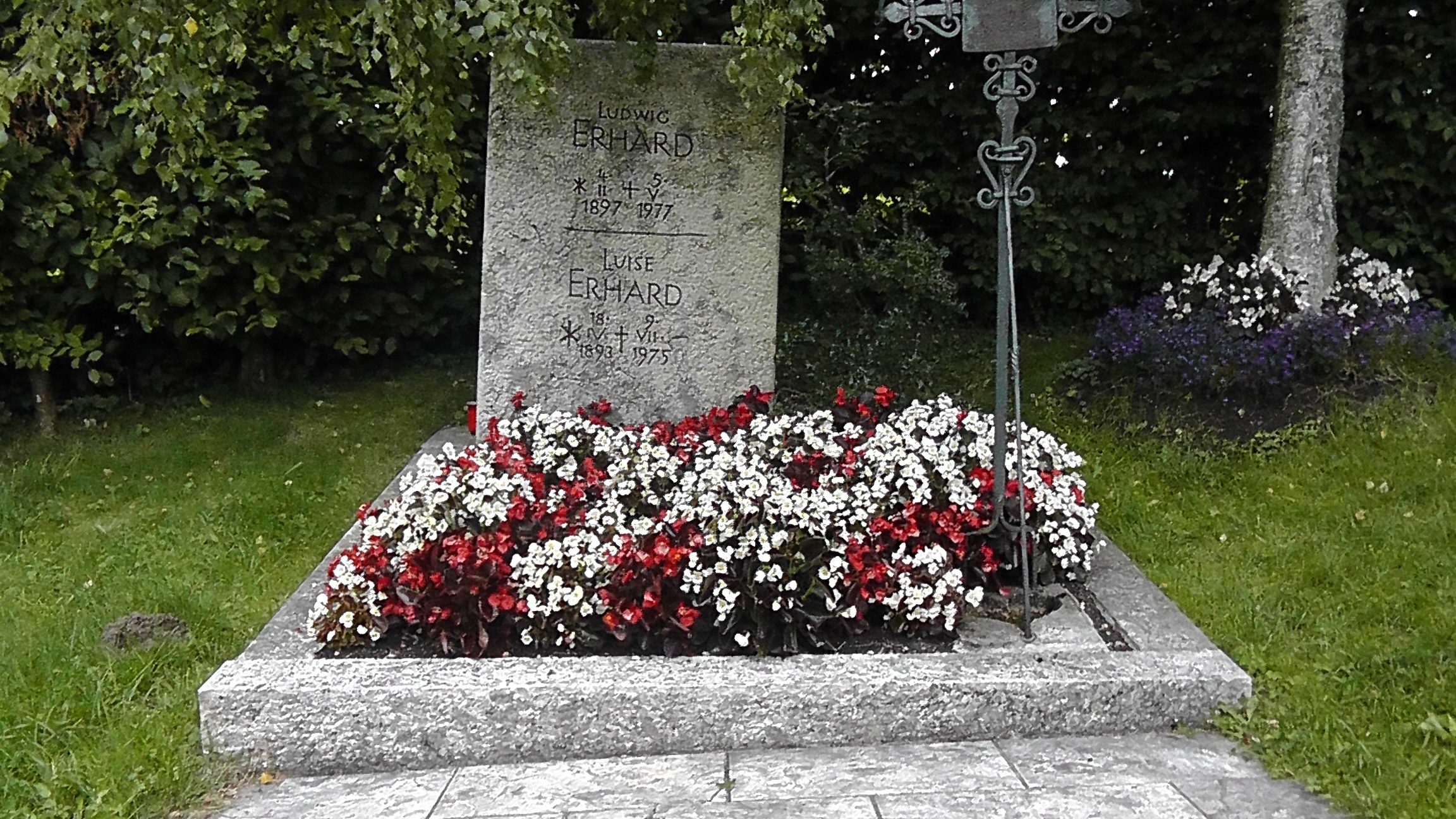
On May 5, 1977, Erhard passed away in Bonn at the age of eighty, his death resulting from heart failure. His final resting place was chosen in Gmund am Tegernsee, a serene location in the Miesbach District of Bavaria, reflecting perhaps a connection to the natural beauty of southern Germany. The loss marked the end of a significant era in postwar European history.
Erhard’s legacy remains intertwined with the pivotal moments and decisions that shaped West Germany during its crucial formative decades. His contributions to his nation’s political and economic life left an enduring impression on those who knew him and on the institutions he served. He is remembered as a figure of consequence whose life reflected the hopes and challenges of a transformed Europe.
More Images