Kōtoku 596 – 654
Biography
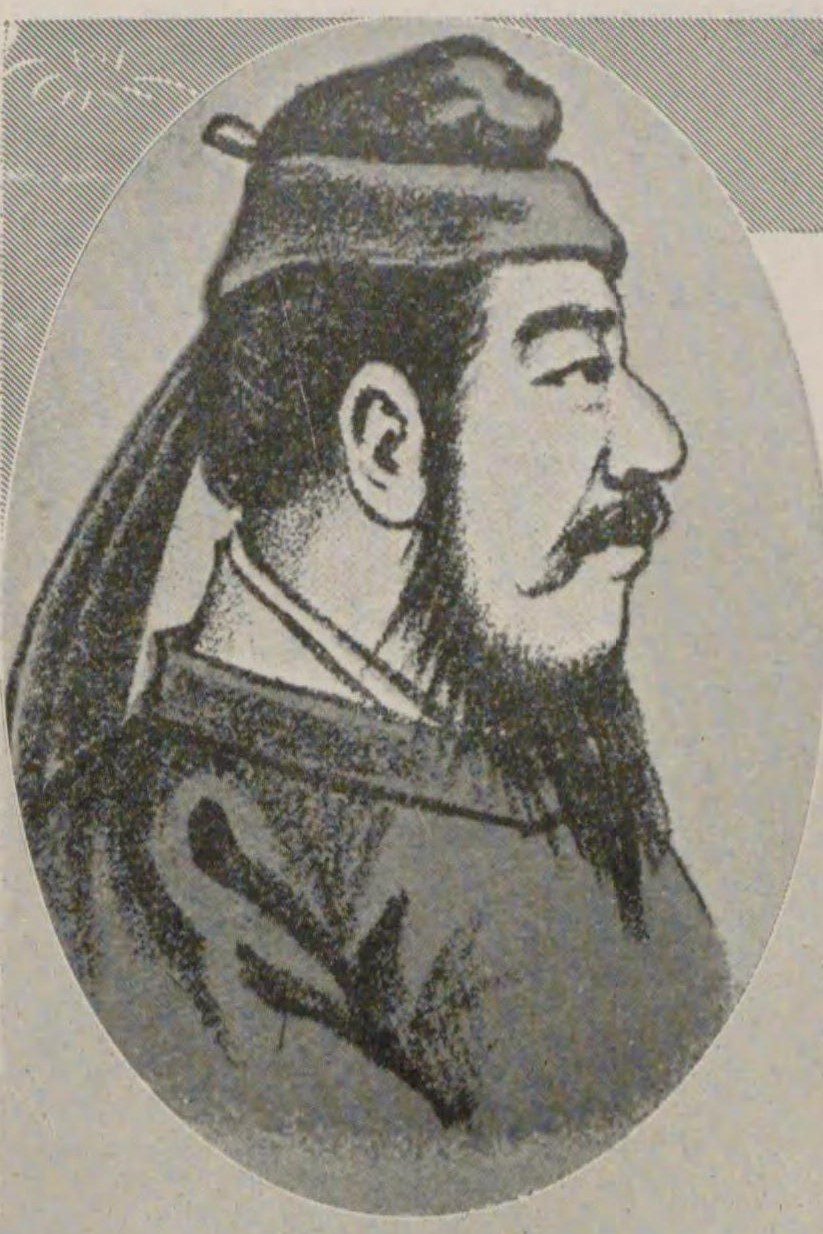
Kōtoku was an Emperor of Japan who lived during a formative period of the nation’s history. Born on January 1, 596, he came of age during a time of significant cultural and political development in the Japanese archipelago. His life spanned fifty-eight years, a considerable lifetime for his era, allowing him to witness and influence the transformation of his realm across more than half a century.
Emperor Kōtoku’s reign represented an important chapter in Japan’s imperial tradition. He resided at the Naniwa Nagara-Toyosaki Palace, a seat of power that reflected the sophistication of the imperial court during this period. His passing on November 27, 654, marked the end of a life lived in service to his people and the continuation of Japan’s imperial lineage.
Though specific details of his personal achievements and policies remain distant to us across the centuries, Kōtoku’s place in Japanese history endures as part of the continuous chain of emperors who shaped the nation’s cultural and governmental foundations. His legacy persists in the historical record as a figure of the classical period of Japanese imperial rule.