Julius Nyerere 1922 – 1999
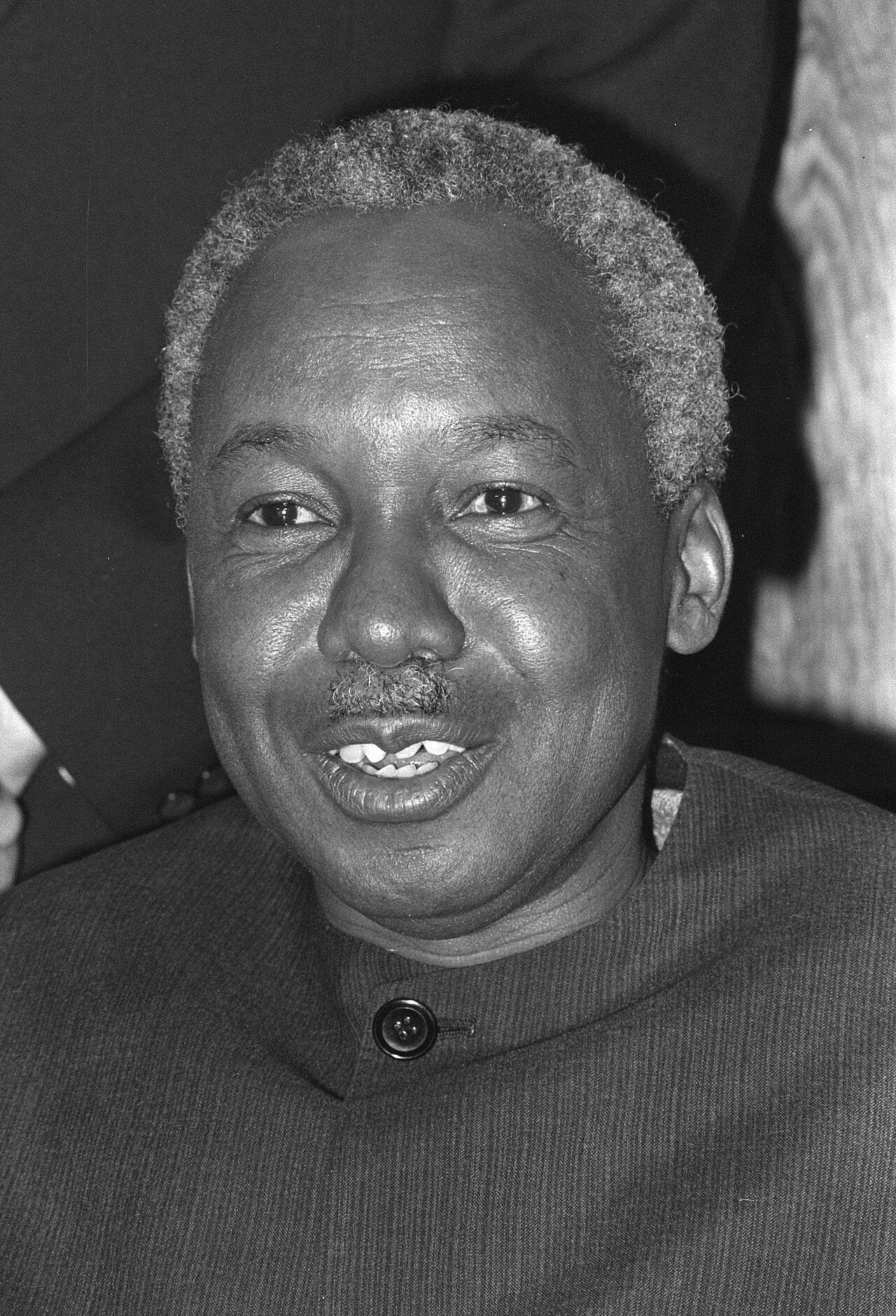
Biography
Julius Nyerere was born on April 13, 1922, in Butiama, a small village in what was then Tanganyika. He would go on to become one of Africa’s most influential political figures, guiding his nation through a transformative period of independence and nation-building. As both Prime Minister and President of Tanzania, Nyerere shaped the country’s development during its crucial formative years, leaving an indelible mark on African politics and thought.
Beyond his role in government, Nyerere was also recognized as a writer whose ideas and words extended his influence far beyond Tanzania’s borders. His intellectual contributions to discussions of African governance, philosophy, and development continue to be studied and debated. Throughout his career, he demonstrated a deep commitment to his nation’s welfare and the broader vision of African dignity and self-determination.
On October 14, 1999, Nyerere passed away in London after a battle with leukemia. He was 77 years old. His final resting place is in the Mara Region of Tanzania, where he remains close to the land and people he devoted his life to serving. His legacy endures as a testament to his vision for Tanzania and his contributions to African history.