Han Fei -279 – -232
Biography
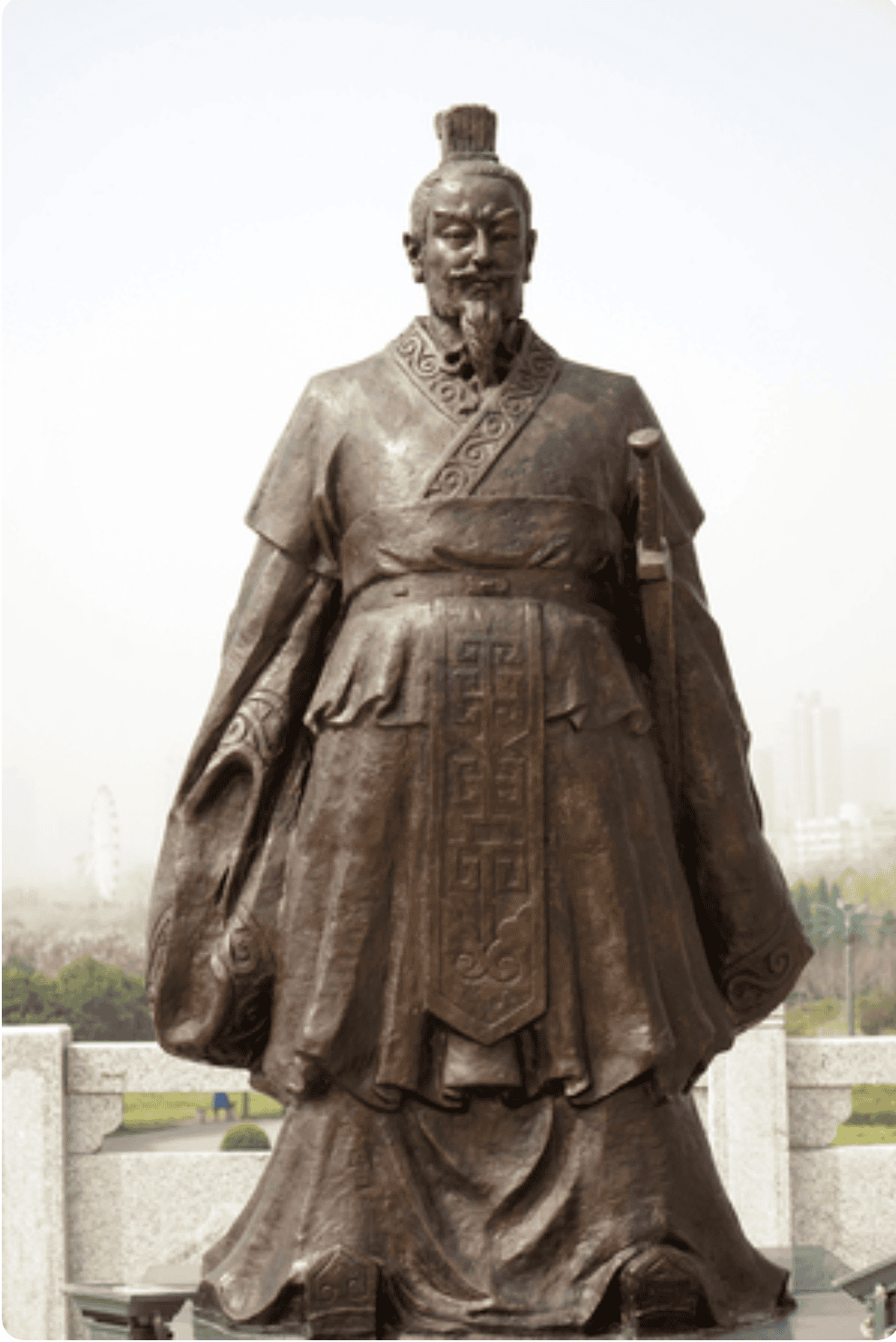
Han Fei was a seminal figure in ancient Chinese philosophy whose ideas profoundly shaped political thought during the Warring States period. Born on January 1, 279 BCE, in Xinzheng, he emerged as a leading advocate of Legalism, a school of thought emphasizing strict laws, rational governance, and centralized authority. His philosophical contributions offered an alternative vision for organizing the state, one grounded in practical systems rather than moral idealism.
Throughout his life, Han Fei developed and refined Legalist principles that would influence subsequent Chinese dynasties. His intellectual work addressed fundamental questions about power, governance, and human nature, proposing that effective rule required clear laws and consistent enforcement rather than appeals to virtue or tradition. Though little record remains of his personal life, his philosophical legacy endured long after his time.
Han Fei died on January 1, 232 BCE, in Xianyang County, at the age of forty-seven. The circumstances of his passing—attributed to intoxication—marked an unexpected end to a life devoted to rational principles of governance. While the specifics of his burial were not recorded by history, his intellectual contributions continued to resonate through centuries of Chinese political philosophy, cementing his place among history’s most influential thinkers.
More Images