Felix Klein 1849 – 1925
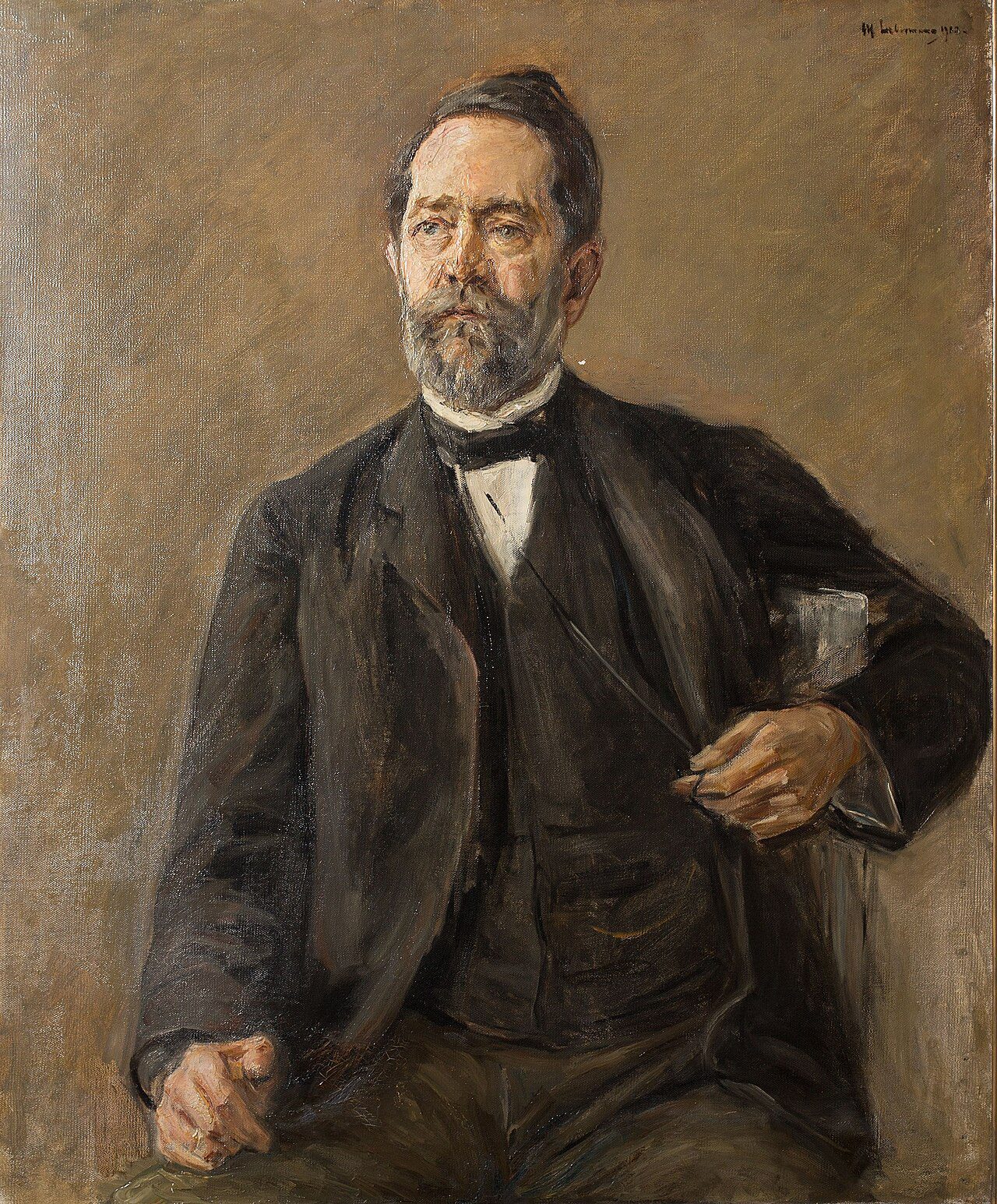
Biography
Felix Klein was born on April 25, 1849, in Düsseldorf, Germany, during a period of remarkable mathematical innovation across Europe. He would go on to become one of the nineteenth century’s most influential mathematicians, shaping how future generations understood the fundamental nature of geometry itself.
Klein’s most enduring contribution to mathematics was the Erlangen Program, a groundbreaking framework that revolutionized geometric thinking by unifying different types of geometry through the concept of group transformations. This work demonstrated profound insight into the underlying structures of mathematics and provided a new lens through which to view and classify geometric systems. His ideas proved transformative for both pure mathematics and theoretical physics.
Beyond his research, Klein was deeply committed to mathematics education and the advancement of the discipline across institutions. He spent much of his career in Göttingen, where he became an integral part of one of Europe’s premier mathematical communities. His legacy extended through his students, his writings, and the intellectual framework he established that continues to influence mathematics today.
Felix Klein passed away on June 22, 1925, in Göttingen, the city that had been central to his life’s work. He was laid to rest in Göttingen City Cemetery, leaving behind a profound and lasting impact on mathematical science.