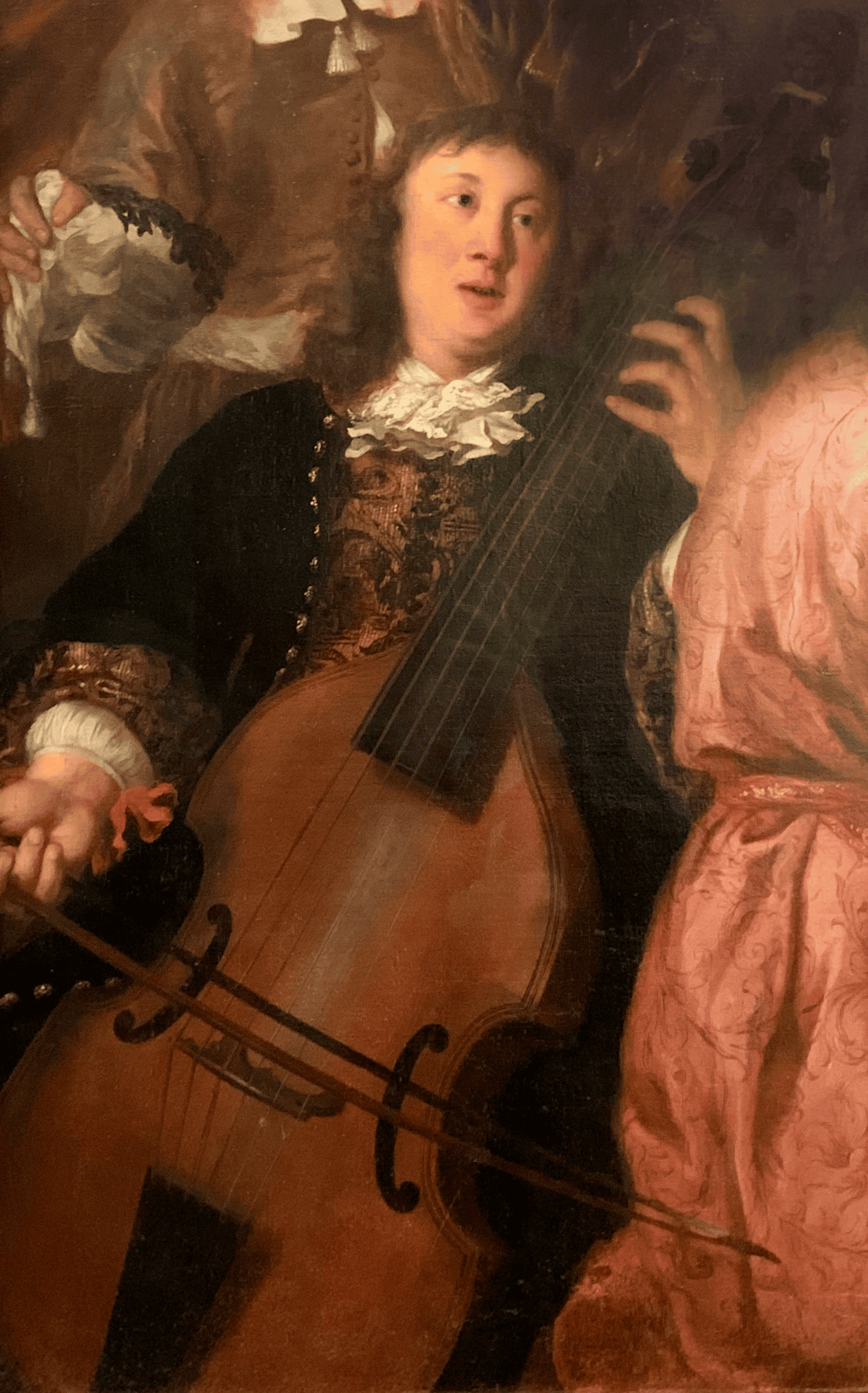
Dietrich Buxtehude 1637 – 1707
Biography
Dietrich Buxtehude was born on January 1, 1637, in Helsingborg, beginning a life that would profoundly influence the musical traditions of Northern Europe. As a Danish-German organist and composer, he devoted himself to the sacred and instrumental music that defined the Baroque era. His talents at the organ became legendary, earning him respect and admiration across the region.
Buxtehude spent much of his professional life in Lübeck, where he became an integral part of the city’s musical life. His work as both performer and composer demonstrated a deep commitment to his craft, blending the musical traditions of Denmark and Germany in ways that resonated with audiences of his time. He remained dedicated to his art throughout his long life.
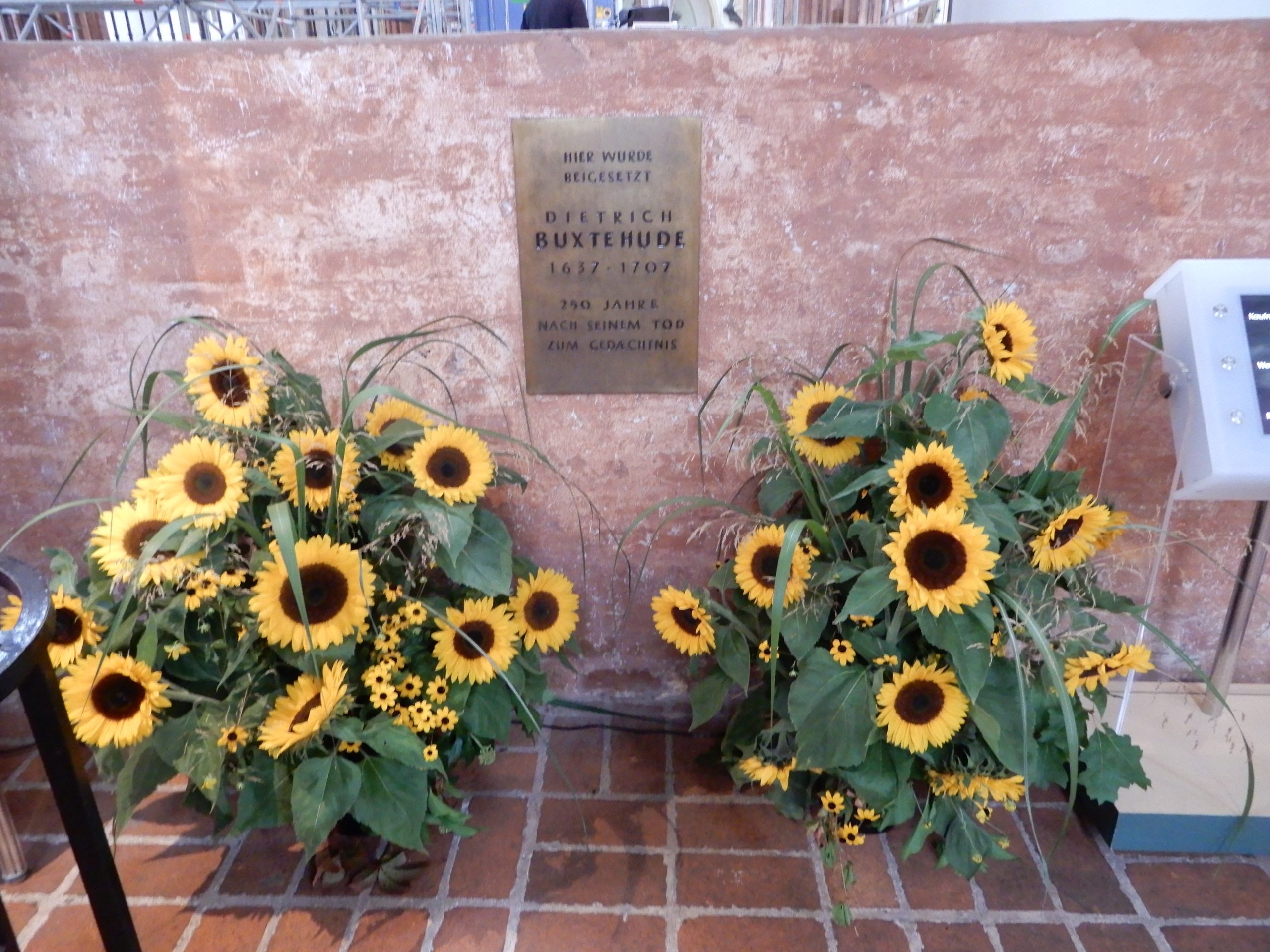
On May 9, 1707, Buxtehude passed away in Lübeck at the age of seventy. His final resting place is St. Mary’s Church in Lübeck’s Old City, where he was laid to rest. Though centuries have passed since his death, Buxtehude’s contributions to Baroque music and his legacy as a master organist continue to be remembered and celebrated by musicians and music lovers worldwide.
More Images