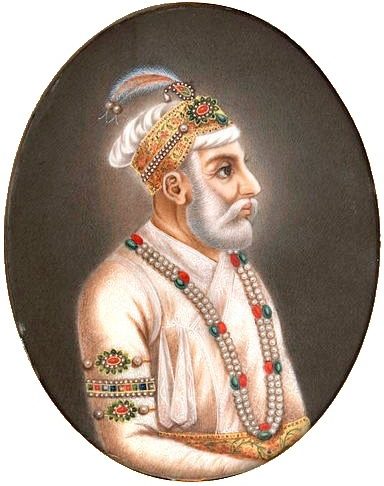
Alamgir II 1699 – 1759
Biography
Alamgir II was born on June 16, 1699, in Multan, arriving into a world of imperial grandeur and dynastic responsibility. He would go on to serve as the fourteenth Mughal Emperor, inheriting a throne that carried centuries of tradition and the weight of governing a vast subcontinent. His path to leadership reflected the complexities of his era, as the Mughal Empire navigated periods of transition and challenge.
During his reign from 1754 until his death, Alamgir II held the position of emperor during a significant chapter in Mughal history. His time as ruler encompassed important decisions and governance across his domains. Though his tenure lasted five years, he remained part of the remarkable succession of emperors who shaped the cultural and political landscape of India.
Alamgir II passed away on November 29, 1759, in Delhi, leaving behind a legacy connected to the imperial city. His final resting place was chosen with reverence—he was interred at Humayun’s Tomb in the South East Delhi district, a location of profound historical and architectural significance. There, among the monuments of his predecessors, his memory endures as part of the Mughal dynasty’s enduring story.
Cemetery Map
View larger map →Satellite overview of the cemetery grounds.