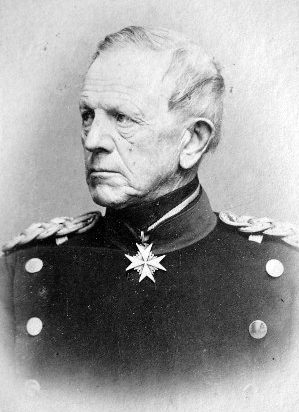
Ernst Curtius 1814 – 1896
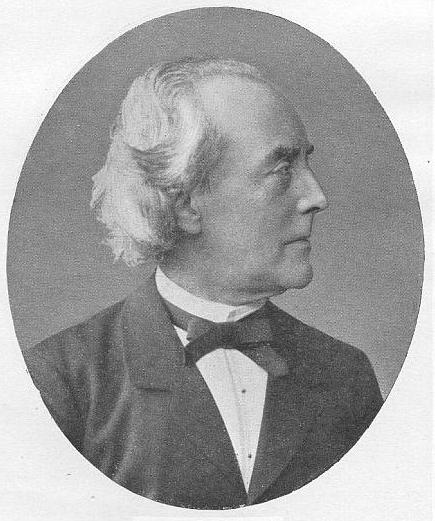
Biography
Ernst Curtius was born on September 2, 1814, in the historic port city of Lübeck, where the traditions of learning and commerce shaped his early years. He would become one of the nineteenth century’s most distinguished German archaeologists and historians, dedicating his life to uncovering and interpreting the material remains of ancient civilizations. His scholarly pursuits took him across the Mediterranean world, where he conducted investigations that would influence the development of archaeological methodology and historical understanding for generations to come.
Throughout his long career, Curtius made significant contributions to our knowledge of antiquity through meticulous fieldwork and thoughtful historical analysis. His work bridged the disciplines of archaeology and classical history, demonstrating how physical evidence could illuminate the narratives of ancient peoples. By the time of his death on July 11, 1896, in Berlin, Curtius had established himself as a figure of considerable intellectual stature within the German academic community.
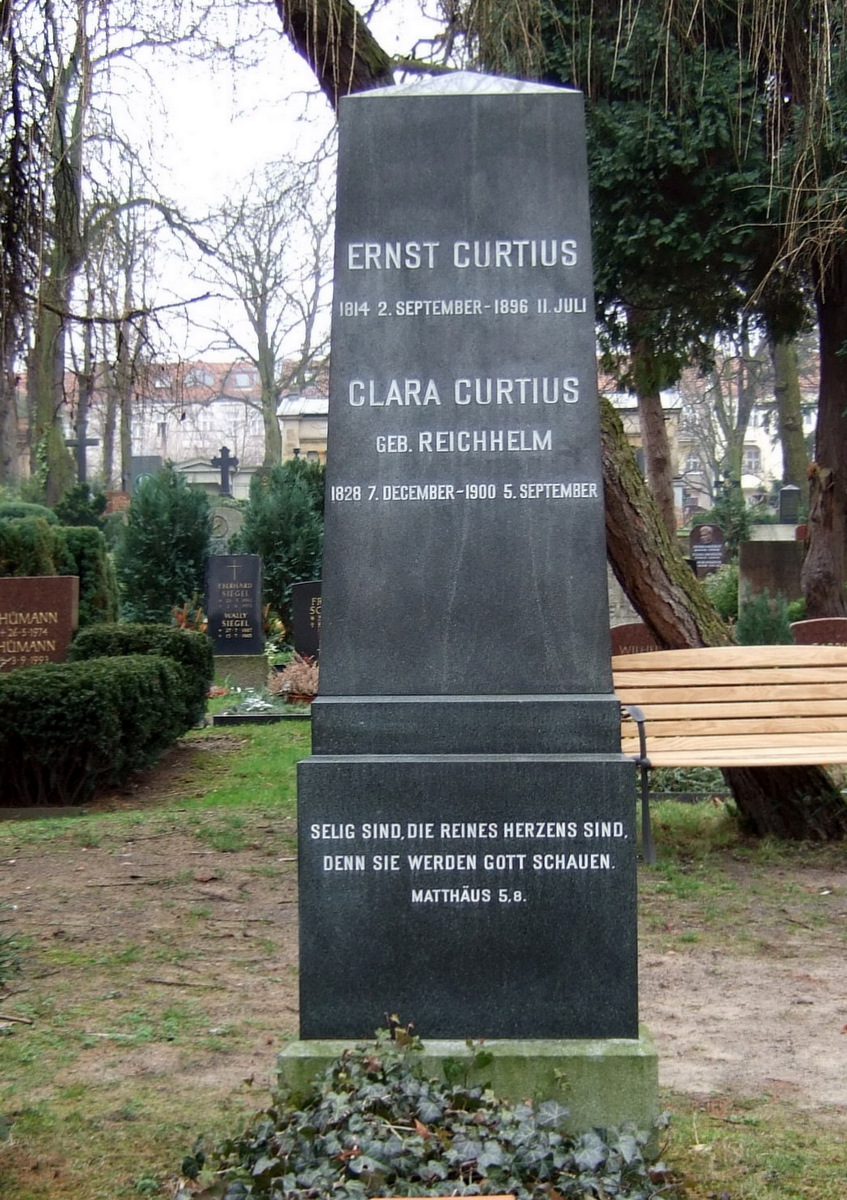
Ernst Curtius was laid to rest at the Alter St.-Matthäus-Kirchhof in Berlin’s Tempelhof-Schöneberg district, a final resting place befitting a scholar whose life had been devoted to understanding humanity’s past. His legacy endures through the scholarly traditions he helped establish and the contributions he made to archaeological science.
More Images
Cemetery Map
View larger map →Satellite overview of the cemetery grounds.