Yōsuke Matsuoka 1880 – 1946
Biography
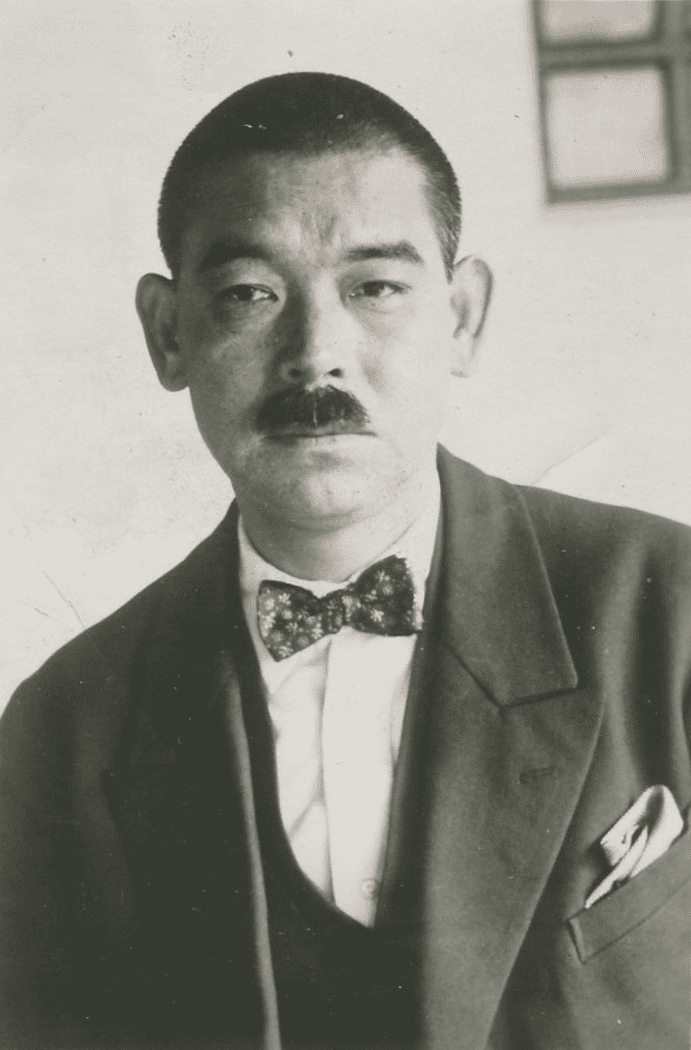
Yōsuke Matsuoka was born on March 4, 1880, in the town of Murozumi, beginning a life that would lead him into Japan’s political sphere. He came of age during a transformative period in Japanese history, witnessing his nation’s rapid modernization and growing influence on the world stage. His career path eventually drew him into public service, where he devoted himself to matters of state and governance during a significant era of national development.
Throughout his years of political engagement, Matsuoka contributed to the complex landscape of early twentieth-century Japanese affairs. His work reflected the concerns and ambitions of his generation as Japan navigated its role among international powers. Though details of his specific legislative achievements remain part of the broader historical record, his commitment to service marked him as a figure of consequence during his time.
Matsuoka’s life came to an end on June 27, 1946, at the University of Tokyo Hospital, where he succumbed to tuberculosis. His passing occurred during a pivotal moment in Japan’s history, as the nation rebuilt itself in the aftermath of World War II. Though his earthly presence ended at that moment, his legacy remains part of the historical tapestry of his country and era.