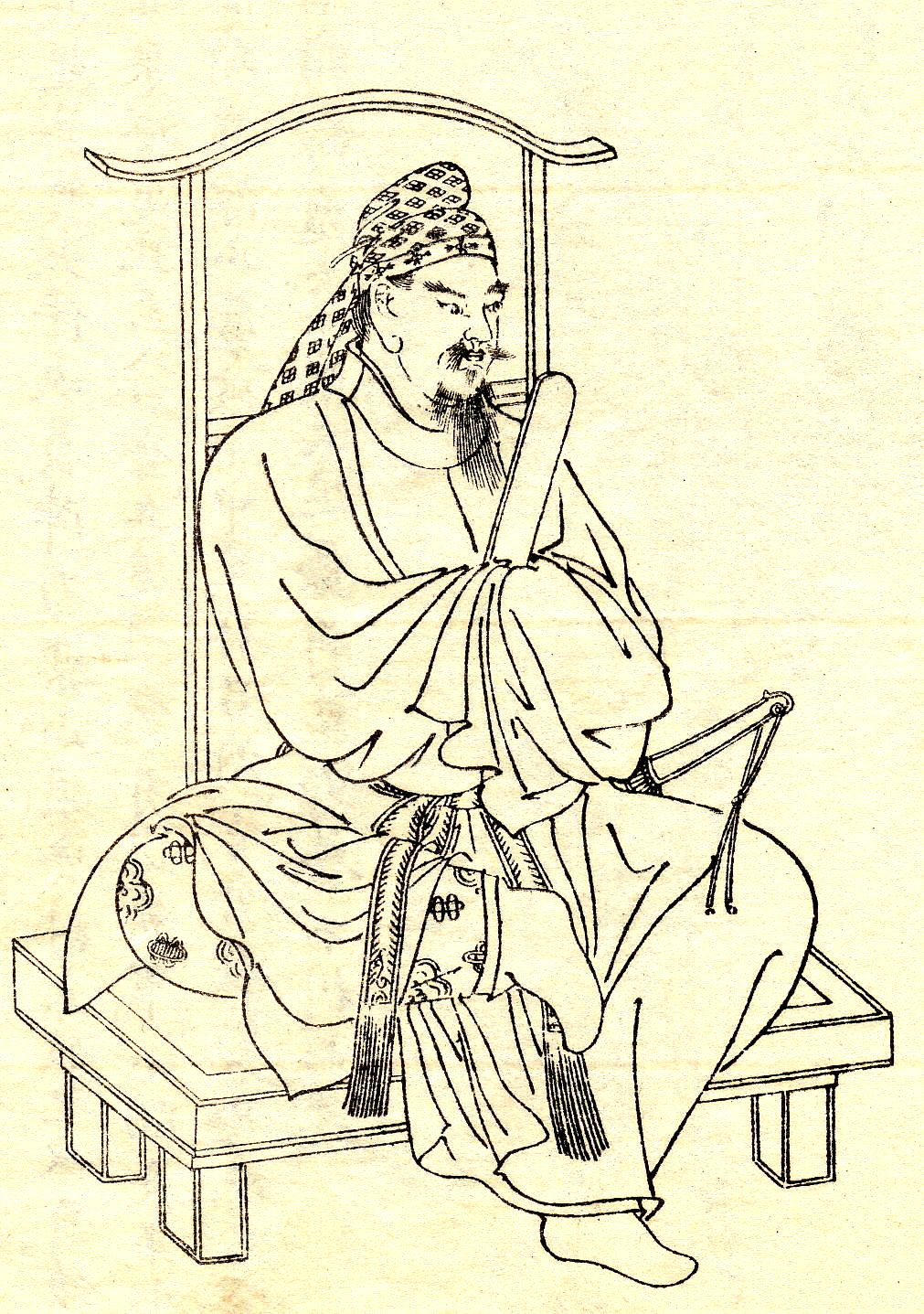
Fujiwara no Kamatari 614 – 669
Biography
Fujiwara no Kamatari lived during a formative period in Japanese history, born on January 1, 614, and passing away on November 17, 669, at the age of fifty-five. As a Japanese noble, he occupied an important place in the aristocratic society of his era, a time when the foundations of classical Japanese culture and governance were being established. Though specific details of his birthplace remain unknown to history, his life spanned most of the seventh century, a pivotal time in Japan’s development.
Kamatari’s legacy was honored through his burial at Abuyama Kofun, a significant burial site that reflected his noble status. The circumstances of his death were not recorded in historical documents, leaving some aspects of his final years unclear. Nevertheless, his position as a nobleman ensured that he was remembered through proper burial rites befitting his rank and the respect due to those of his standing in society.
Though much about Kamatari’s individual accomplishments has not been preserved in accessible records, his life represents an important thread in the tapestry of Japanese aristocracy during the seventh century. His nearly fifty-six years of life witnessed tremendous changes in Japanese society, and his noble lineage placed him among those who shaped the cultural and political landscape of his time.
Cemetery Map
View larger map →Satellite overview of the cemetery grounds.