Sayyida al-Hurra 1485 – 1561
Biography
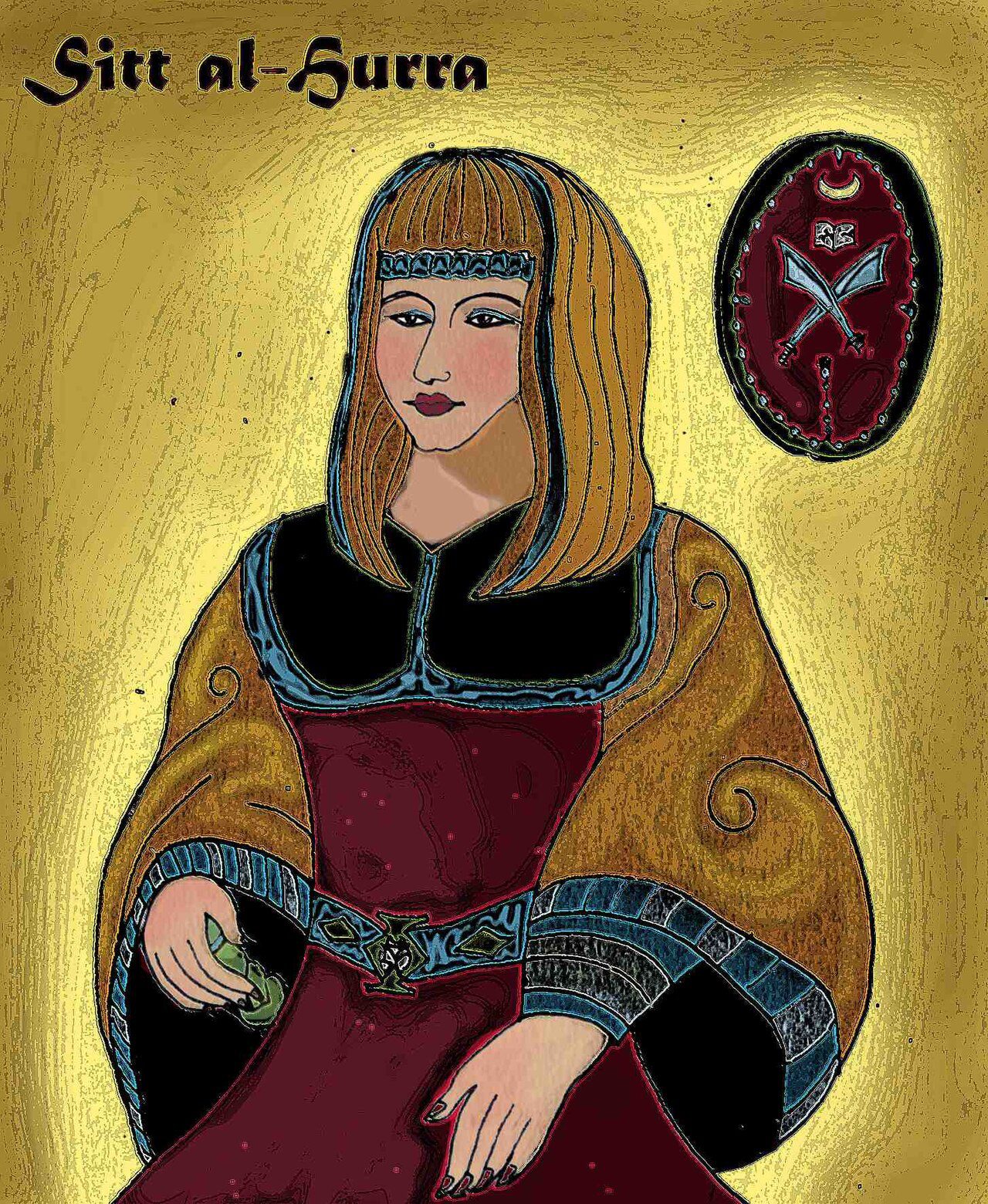
Sayyida al-Hurra was born on January 1, 1485, in Chefchaouen, Morocco, during a time of significant upheaval in the region. She rose to become one of the most remarkable figures of the 16th century, eventually ruling the Mediterranean port city of Tétouan with considerable influence and authority. Her life spanned a pivotal era in North African history, and her leadership left an indelible mark on the region.
Throughout her life, Sayyida al-Hurra wielded power both as a political ruler and as a privateer, commanding respect across the Mediterranean. Her role in Tétouan extended beyond traditional governance; she managed maritime affairs and negotiated with European powers, establishing herself as a formidable force in an era dominated by men. Her strategic acumen and determination allowed her to maintain her position and influence across decades of political complexity.
Sayyida al-Hurra remained in her native region throughout her life, governing from Tétouan until her death on January 1, 1561, in Chefchaouen—exactly seventy-six years after her birth. She represents a remarkable example of female leadership and autonomy in the Islamic world during the Renaissance, leaving a legacy as a skilled administrator and maritime power broker whose contributions to Moroccan history deserve remembrance and respect.