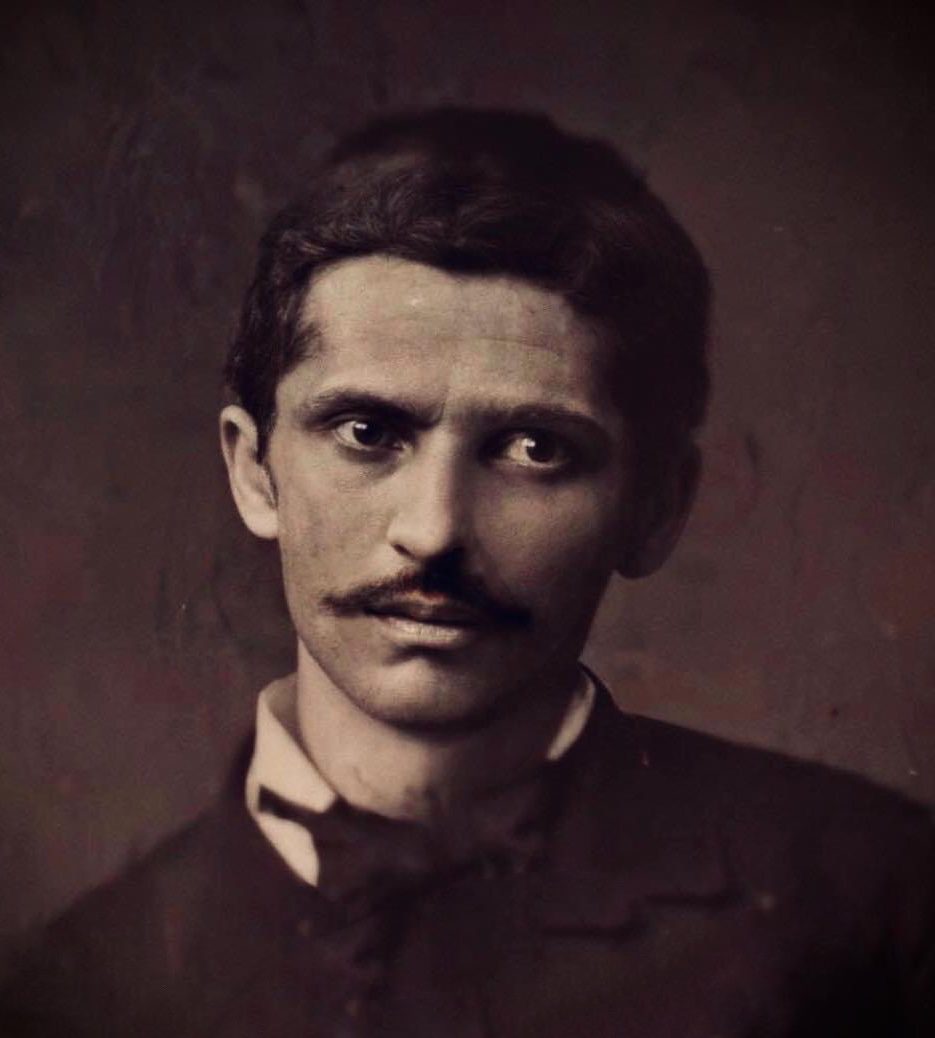
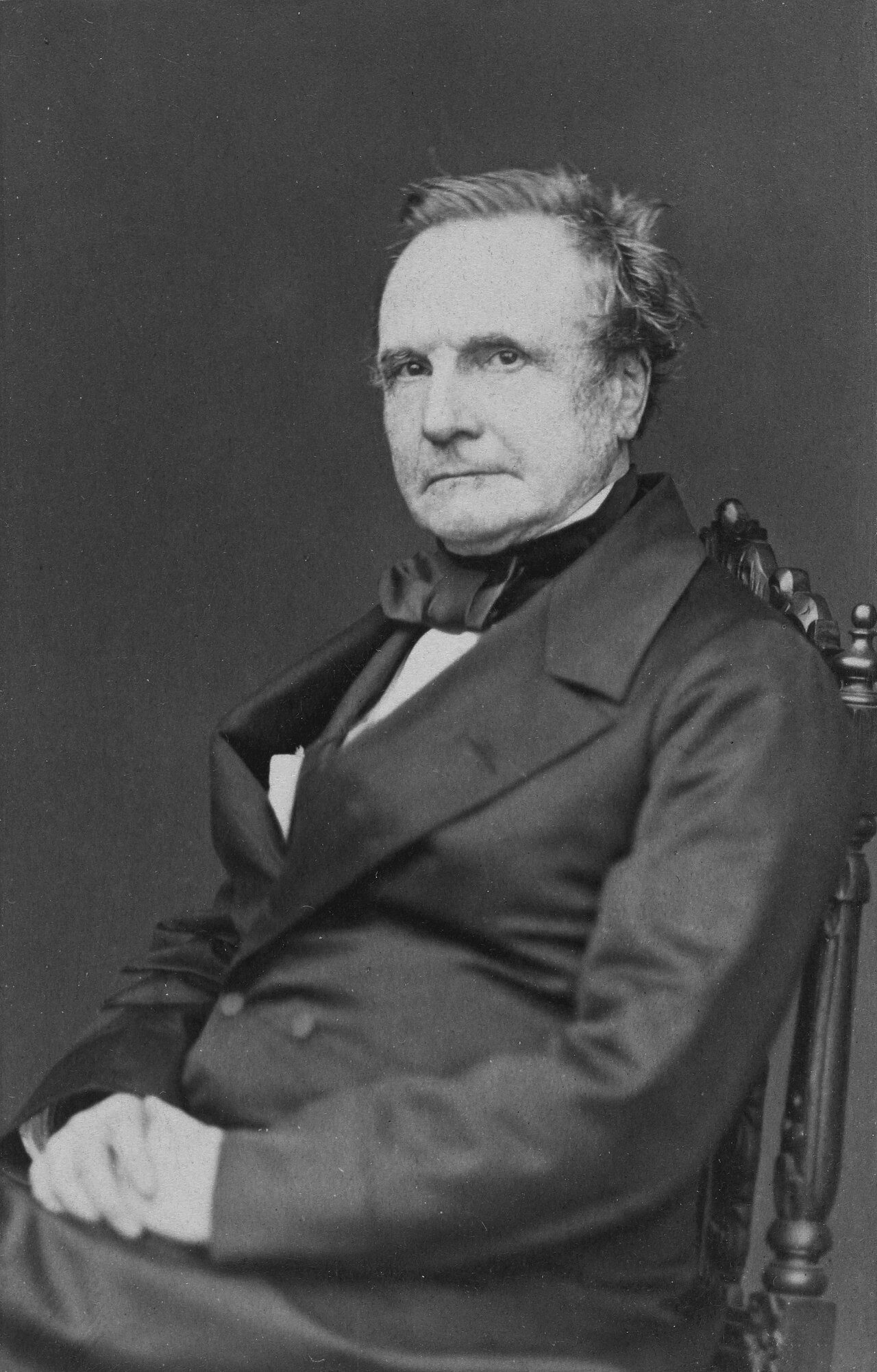
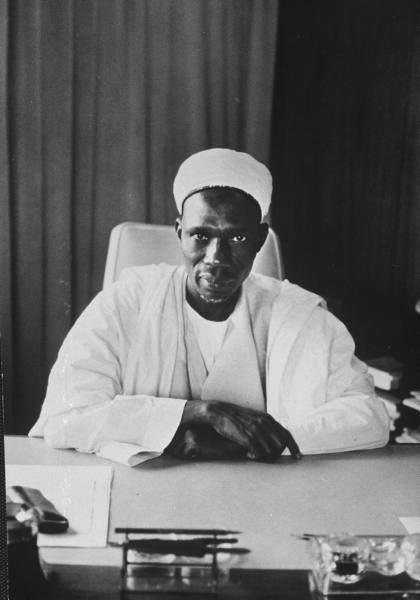
Juan de la Cierva 1895 – 1936
Biography
Juan de la Cierva was born on September 21, 1895, in Murcia, Spain, during an era when aviation was still in its infancy. From his earliest years, he demonstrated a remarkable aptitude for aeronautical engineering, pursuing innovations that would reshape the future of flight. His work reflected both technical brilliance and an unwavering commitment to advancing the possibilities of air travel.
De la Cierva’s most significant achievement was the invention of the autogyro, a revolutionary aircraft that combined elements of helicopters and fixed-wing planes. This groundbreaking invention represented a major milestone in aviation history, opening new possibilities for vertical flight and maneuverability. His contributions to aeronautical engineering earned him recognition as a pioneering figure in aircraft design and development.
His life was cut tragically short on December 9, 1936, when he died in an aviation accident at Croydon Airport. The loss of this innovative engineer came during a pivotal moment in aviation’s development, removing a voice that had done so much to expand the boundaries of what aircraft could achieve. De la Cierva was laid to rest at La Almudena Cemetery in Madrid, where he is remembered as one of Spain’s most influential aeronautical pioneers and a visionary whose inventions continue to influence aircraft design to this day.
Cemetery Map
View larger map →Satellite overview of the cemetery grounds.