FOUND A GRAVE
Gone But Not Forgotten

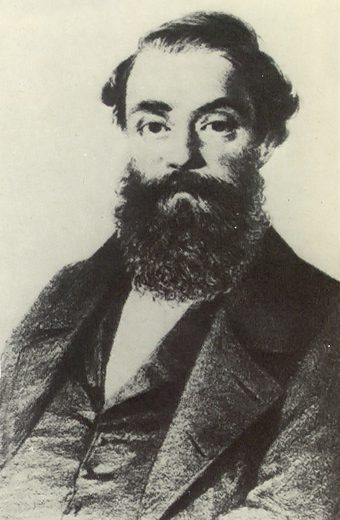
Francesco Maria Piave 1810 – 1876
Musicians and Composers Celebrities, Musicians and Composers
Francesco Maria Piave

Biography

Francesco Maria Piave was born on May 18, 1810, in Murano, the island community near Venice known for its glassmaking traditions. He would go on to become one of Italy’s most accomplished librettists, crafting the words and stories that brought opera to life during the nineteenth century. His career coincided with a golden age of Italian opera, a period when the art form flourished across the peninsula and captivated audiences throughout Europe.

Piave spent much of his professional life in Milan, the cultural heart of northern Italy and a center of operatic innovation. There he collaborated with composers and theaters, creating librettos that would be performed on stages from small provincial venues to grand metropolitan houses. His work represented the literary foundation upon which memorable musical compositions were built, requiring both poetic skill and a deep understanding of dramatic structure.

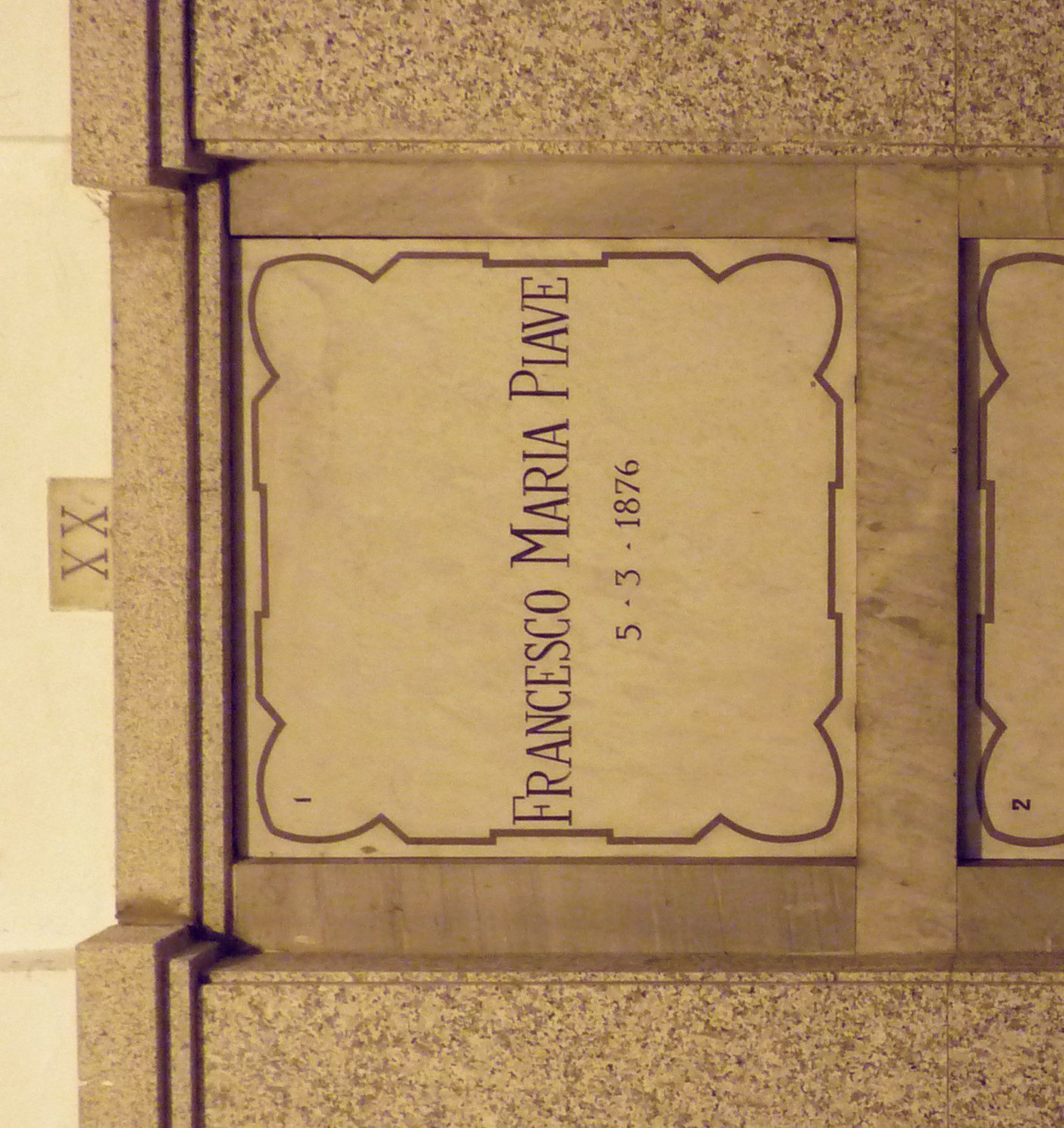
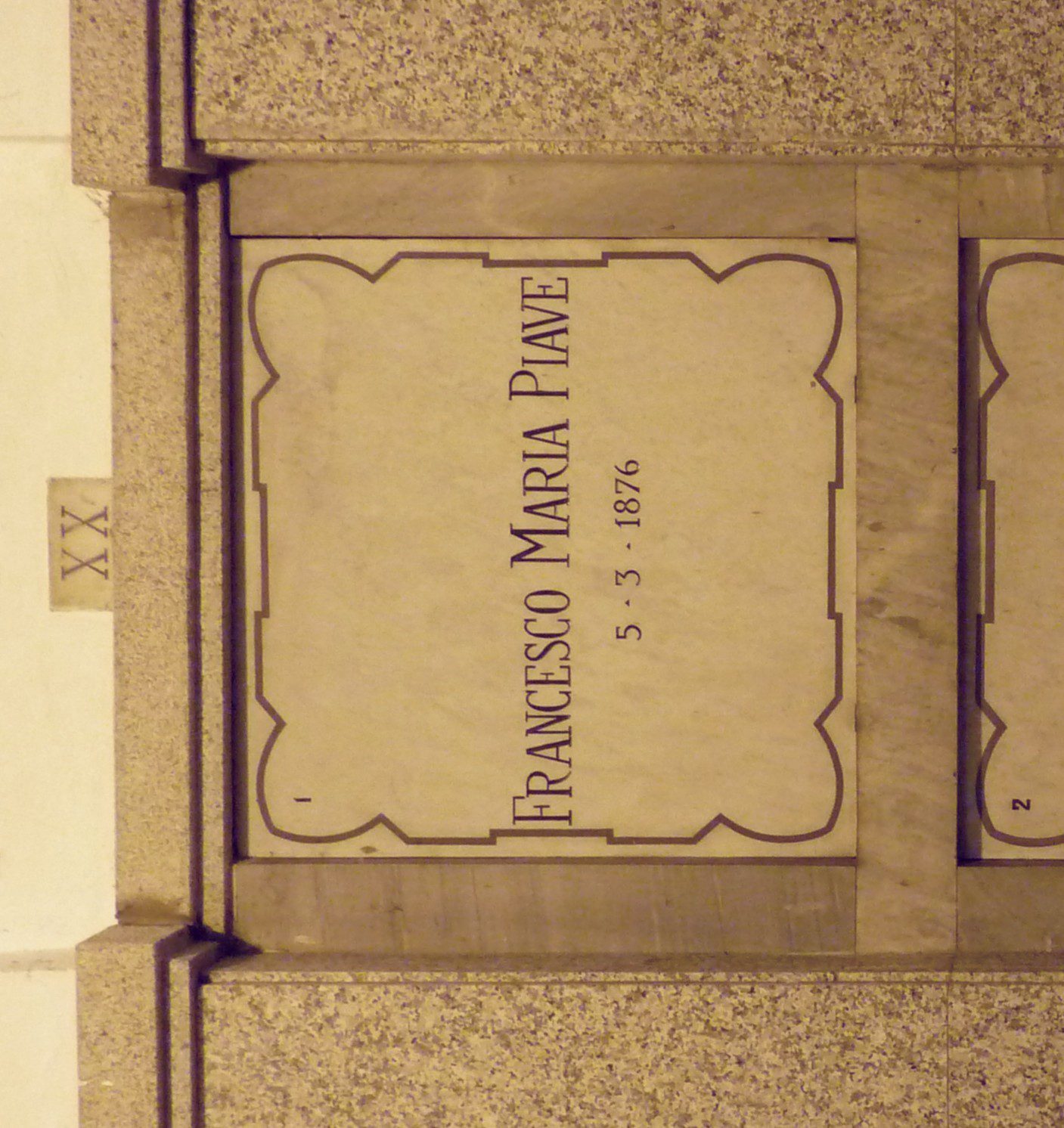
On March 5, 1876, Piave died in Milan at the age of sixty-five. He was laid to rest in the monumental cemetery of Milan, a final resting place befitting a man whose contributions had enriched Italian cultural life. Though his name may not be as universally recognized as the composers he worked with, Piave’s legacy endures through the enduring power of the operas for which he wrote the words.

Cemetery Map

View larger map →

Satellite overview of the cemetery grounds.
Francesco Maria Piave 1810 – 1876

Musicians and Composers Celebrities, Musicians and Composers
Francesco Maria Piave

Biography

Francesco Maria Piave was born on May 18, 1810, in Murano, the island community near Venice known for its glassmaking traditions. He would go on to become one of Italy’s most accomplished librettists, crafting the words and stories that brought opera to life during the nineteenth century. His career coincided with a golden age of Italian opera, a period when the art form flourished across the peninsula and captivated audiences throughout Europe.

Piave spent much of his professional life in Milan, the cultural heart of northern Italy and a center of operatic innovation. There he collaborated with composers and theaters, creating librettos that would be performed on stages from small provincial venues to grand metropolitan houses. His work represented the literary foundation upon which memorable musical compositions were built, requiring both poetic skill and a deep understanding of dramatic structure.

On March 5, 1876, Piave died in Milan at the age of sixty-five. He was laid to rest in the monumental cemetery of Milan, a final resting place befitting a man whose contributions had enriched Italian cultural life. Though his name may not be as universally recognized as the composers he worked with, Piave’s legacy endures through the enduring power of the operas for which he wrote the words.

Cemetery Map

View larger map →

Satellite overview of the cemetery grounds.