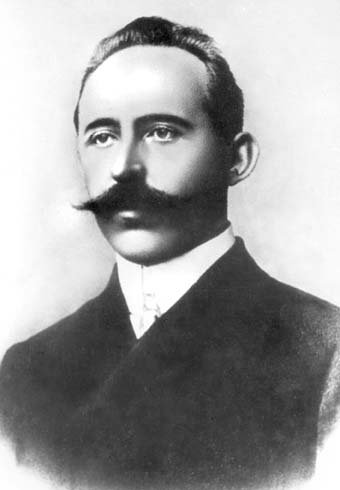
Döme Sztójay 1883 – 1946
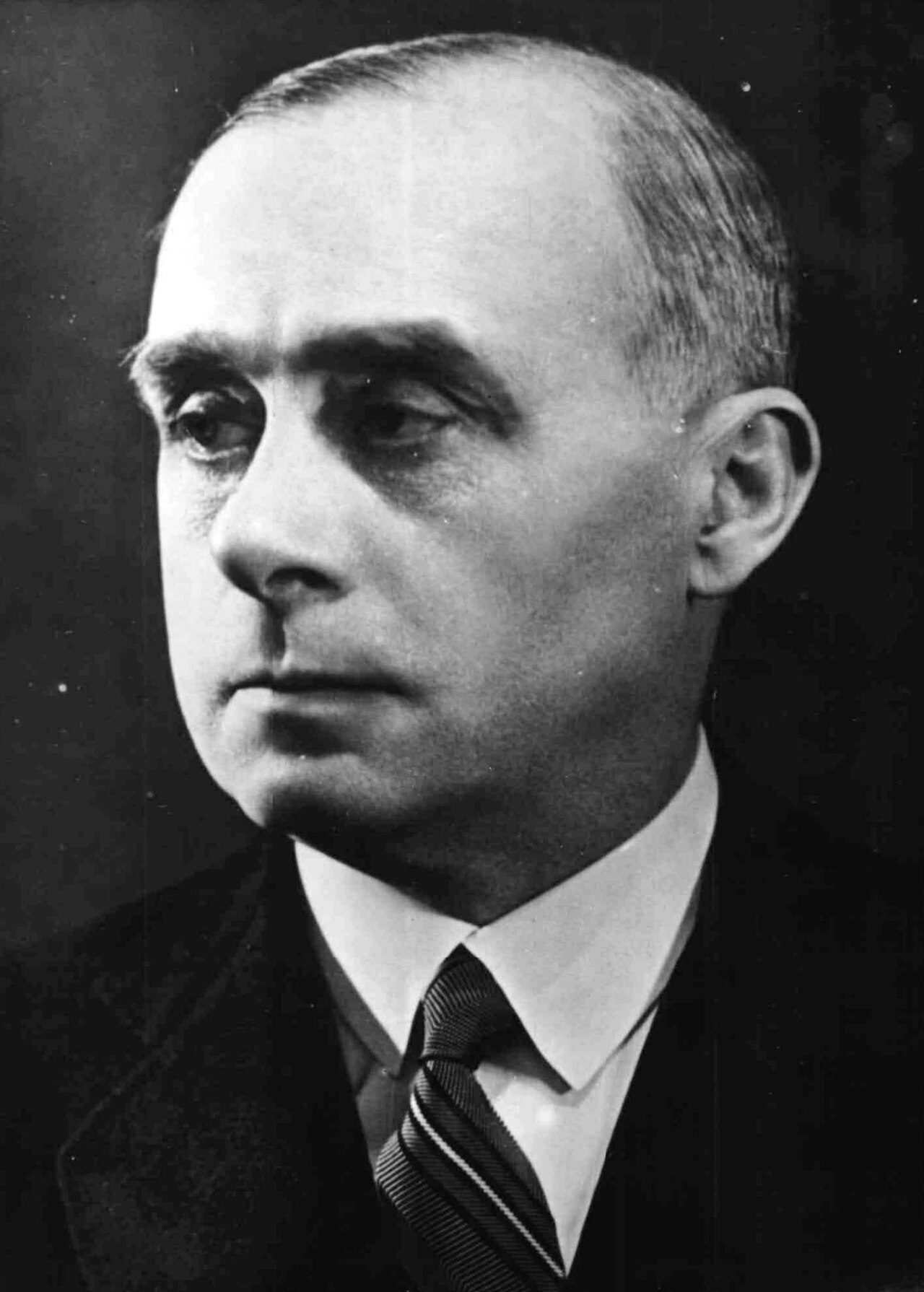
Biography
Döme Sztójay was born on January 5, 1883, in Vršac, a town in the Austro-Hungarian Empire. Throughout his life, he pursued a career in politics and public service, becoming a notable figure in Hungarian affairs during the early twentieth century. His heritage, rooted in both Hungarian and Serbian communities, reflected the diverse cultural landscape of the region in which he was raised.
Sztójay’s later years were marked by significant controversy. His political activities during World War II led to serious accusations against him. Following the war’s conclusion, he faced trial for war crimes—grave charges that reflected the profound moral and legal reckoning that swept across Europe in the conflict’s aftermath. On August 22, 1946, in Budapest, he was executed for these crimes, bringing his life to a tragic and consequential end.
His legacy remains deeply intertwined with this turbulent period of Hungarian history. Sztójay’s case stands as one among many whose lives were forever altered by the choices made and actions taken during the Second World War, serving as a sobering reminder of that era’s lasting consequences.