Mór Jókai 1825 – 1904
Biography
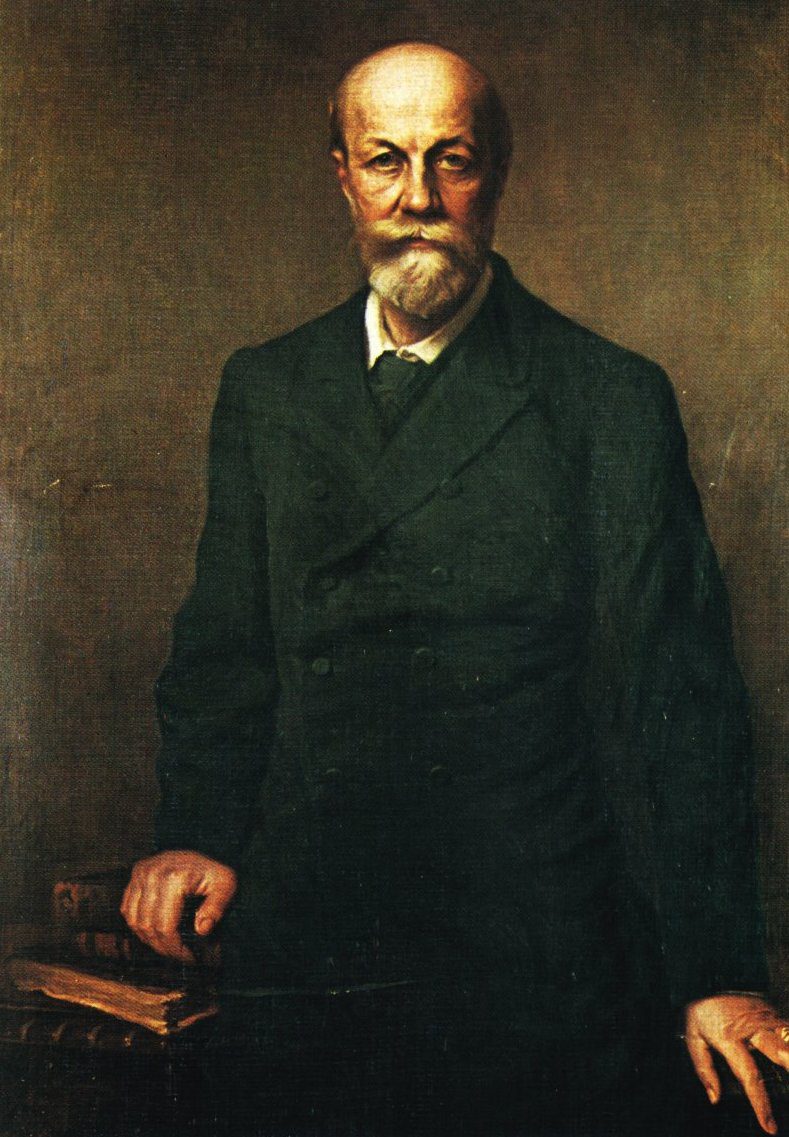
Mór Jókai was born on February 18, 1825, in Komárno, a town in what is now Slovakia. He would become one of Hungary’s most significant literary figures, dedicating his life to the written word and leaving an indelible mark on Hungarian culture and letters. His long career spanned much of the nineteenth century, a period of considerable change and transformation in Central Europe.
Jókai spent much of his life in Budapest, the cultural heart of Hungary, where he developed his craft and contributed substantially to Hungarian literature. Throughout his decades as a writer, he maintained a commitment to his art, establishing himself as a respected and influential voice in Hungarian intellectual circles. His work resonated with readers and helped shape the literary landscape of his nation.
On May 5, 1904, Jókai passed away in Budapest at an advanced age, having witnessed and documented nearly eighty years of Hungarian history and culture. He was laid to rest at Fiume Road Graveyard in Budapest, where he remains honored. His legacy endures as a testament to the power of literature and the lasting impact one writer can have on an entire nation’s cultural heritage.
Cemetery Map
View larger map →Satellite overview of the cemetery grounds.