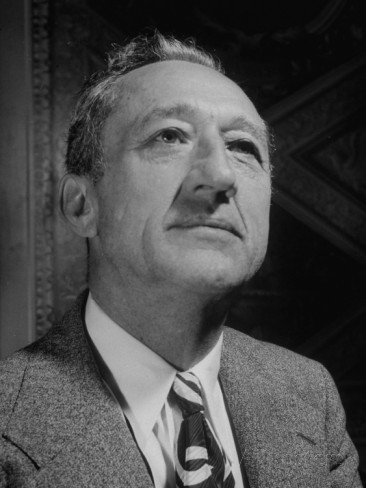
Nicolae Iorga 1871 – 1940
Biography
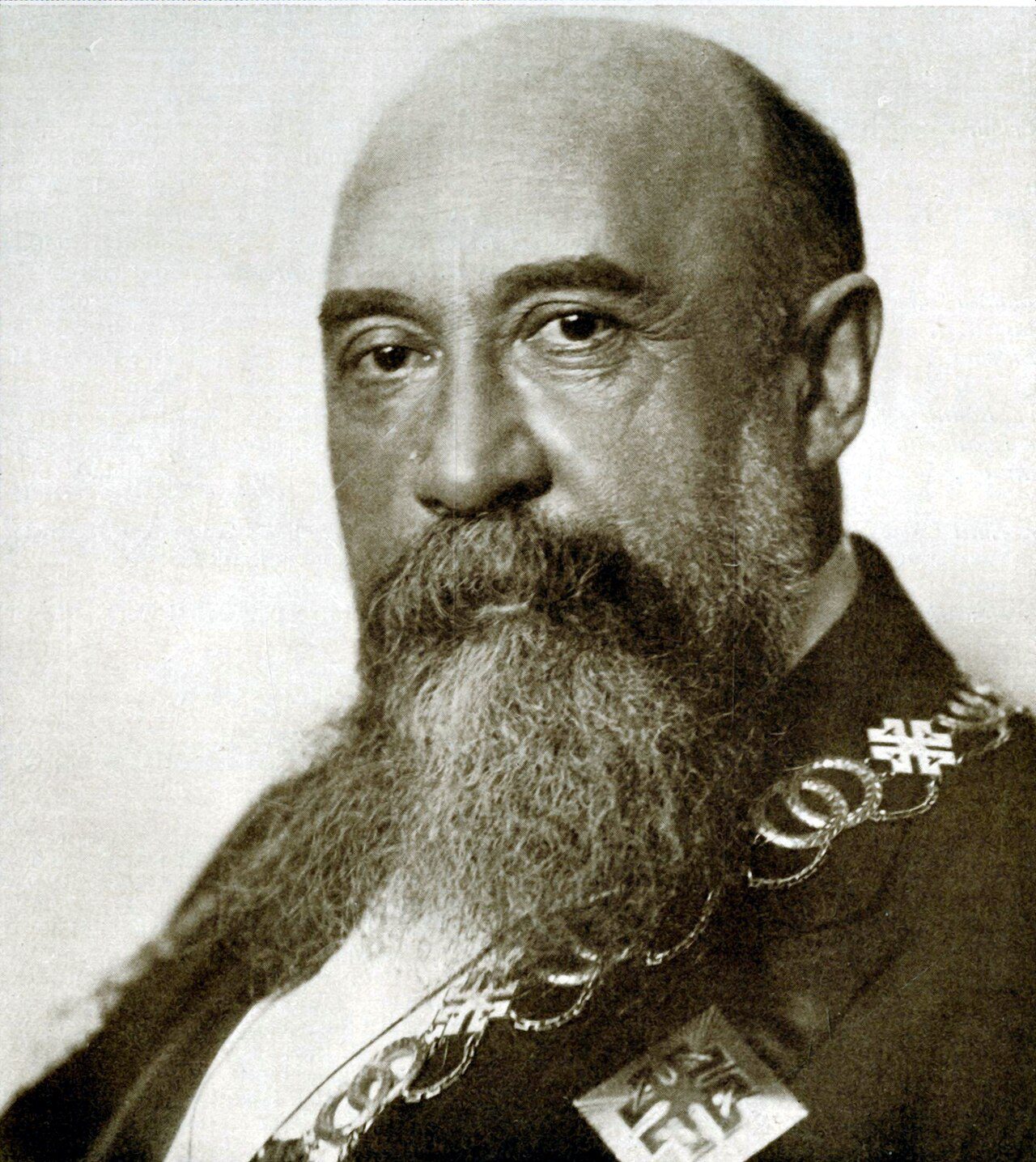
Nicolae Iorga was born on June 5, 1871, in Botoșani, a city in northeastern Romania. Over the course of his life, he distinguished himself as one of Romania’s most versatile and prolific intellectuals, contributing significantly to the nation’s cultural and scholarly landscape through multiple disciplines. His broad range of talents encompassed history, literary criticism, memoir writing, poetry, and dramatic works, reflecting a Renaissance-like breadth of learning and creative expression.
Throughout his career, Iorga served not only as a scholar and artist but also as a political figure, demonstrating his commitment to Romania’s development beyond the academic sphere. His work as a historian proved particularly influential, helping to shape Romanian understanding of their own past and national identity. As a literary critic, he offered keen insights into Romanian and European letters, while his own creative works—poetry and plays—contributed to the nation’s artistic heritage.
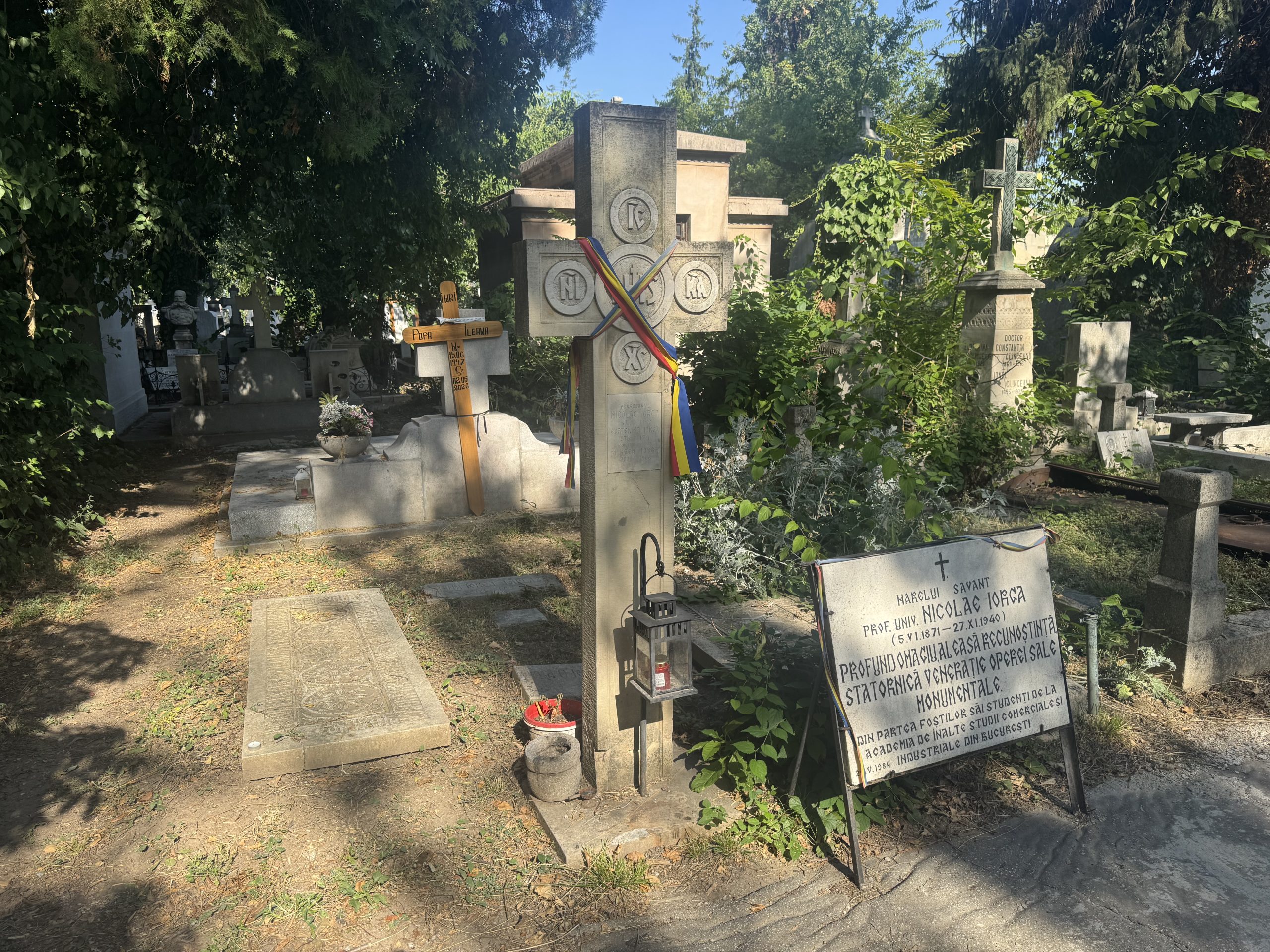
Nicolae Iorga died on November 27, 1940, in Strejnicu, killed by gunshot wound. He was laid to rest at Bellu Cemetery in Bucharest, where his memory endures among Romania’s most important cultural figures. His legacy reflects a lifetime dedicated to preserving, interpreting, and enriching Romanian intellectual and cultural traditions.
More Images
Cemetery Map
View larger map →Satellite overview of the cemetery grounds.