Wang Wei 699 – 761
Biography
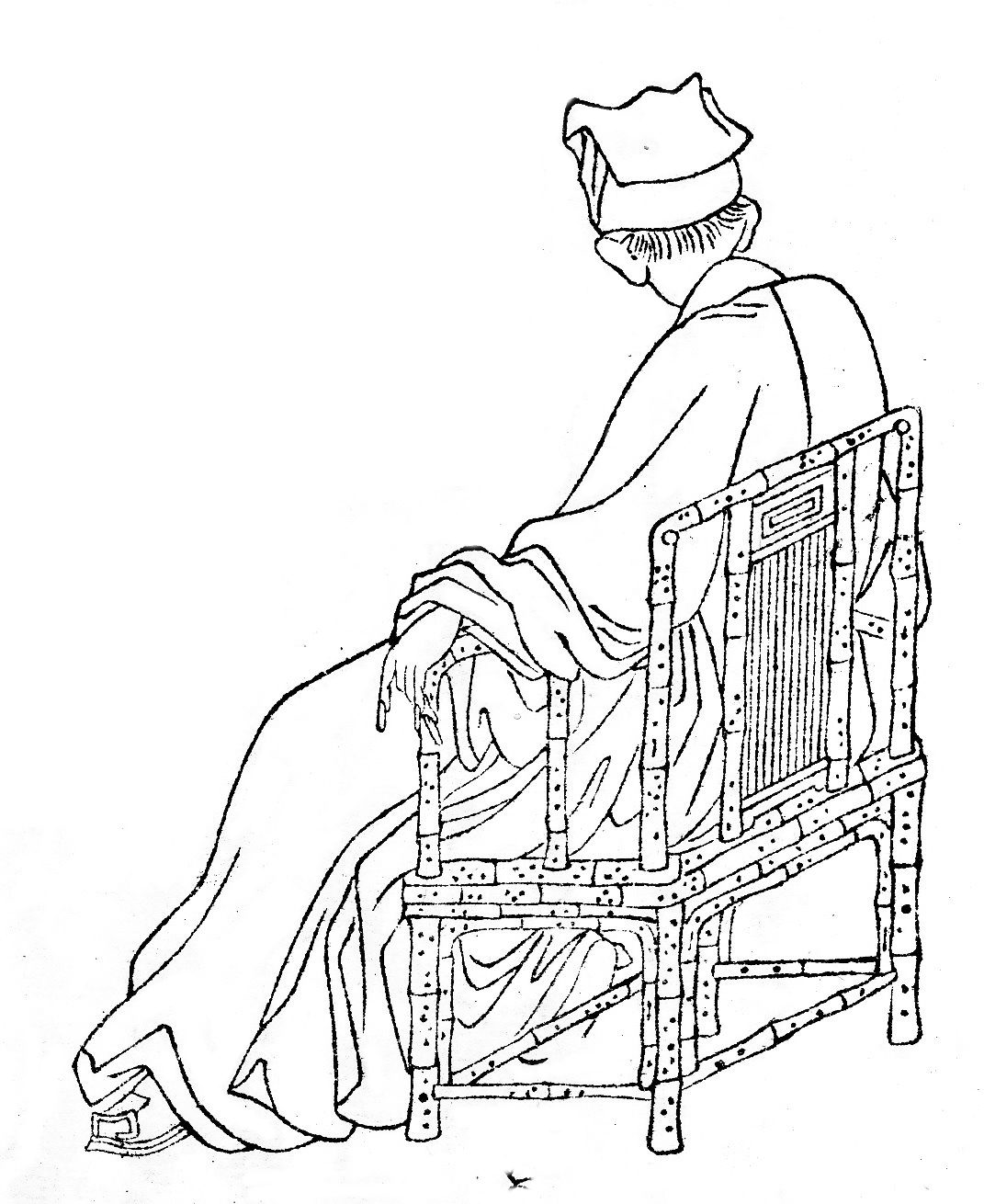
Wang Wei was born on January 1, 699, in Yongji, emerging into a world of Tang Dynasty cultural flourishing. Over the course of his sixty-two years, he would become one of China’s most accomplished and versatile figures, excelling across multiple disciplines that defined the ideal educated gentleman of his era. His life spanned a period of significant political and artistic development, allowing him to witness and participate in some of the most dynamic cultural movements of medieval China.
Throughout his lifetime, Wang Wei distinguished himself as a poet of exceptional skill and sensitivity. Beyond his literary achievements, he was also accomplished as a musician and painter, demonstrating the Renaissance-like versatility that characterized the highest intellectual circles of Tang society. His work in these various arts reflected a deep philosophical sensibility and technical mastery that earned him recognition among his contemporaries and lasting influence on Chinese cultural traditions.
Wang Wei’s career also encompassed service in a statesman capacity, allowing him to apply his talents and insights to matters of governance and public life. This combination of artistic achievement and administrative responsibility made him a representative figure of the educated elite during the Tang Dynasty. He died on August 1, 761, in Chang’an, the imperial capital, leaving behind a legacy that would continue to inspire scholars, artists, and poets for centuries to come.