Béla Kun 1886 – 1938
Biography
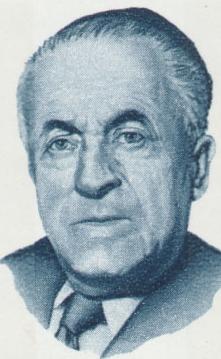
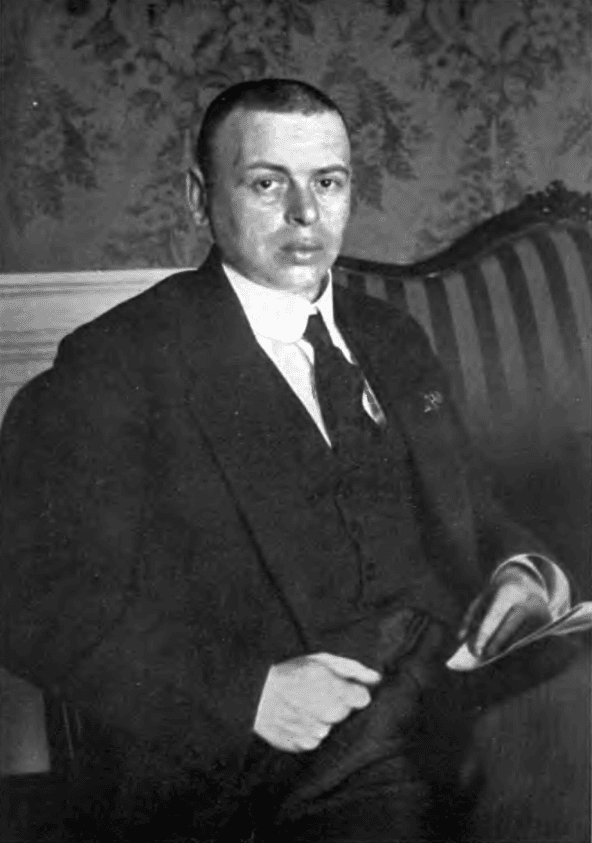
Béla Kun was born on February 20, 1886, in Cehu Silvaniei, a town in Transylvania. He rose to prominence as a Hungarian Communist revolutionary and politician during a pivotal moment in European history. In 1919, Kun became the de facto leader of the Hungarian Soviet Republic, serving as People’s Commissar of Foreign Affairs during this brief but significant period of Communist rule in Hungary.
Kun’s political career reflected the turbulent circumstances of post-World War I Central Europe. His leadership of the Hungarian Soviet Republic represented one of the first attempts to establish Communist government in Europe outside the Soviet Union itself. Though his time in power was ultimately brief, his efforts left an indelible mark on Hungarian political history and the broader struggle for Communist movements across the continent.
Kun’s life ended tragically on August 29, 1938, when he was executed in Moscow during Stalin’s Great Purge. He was laid to rest at the Kommunarka shooting ground near Sosenskoye in the Soviet Union, a location that became the final resting place for many victims of the purge. His legacy remains a complex chapter in the history of early twentieth-century revolutionary movements and Communist politics.