Georges Cuvier 1769 – 1832
Biography
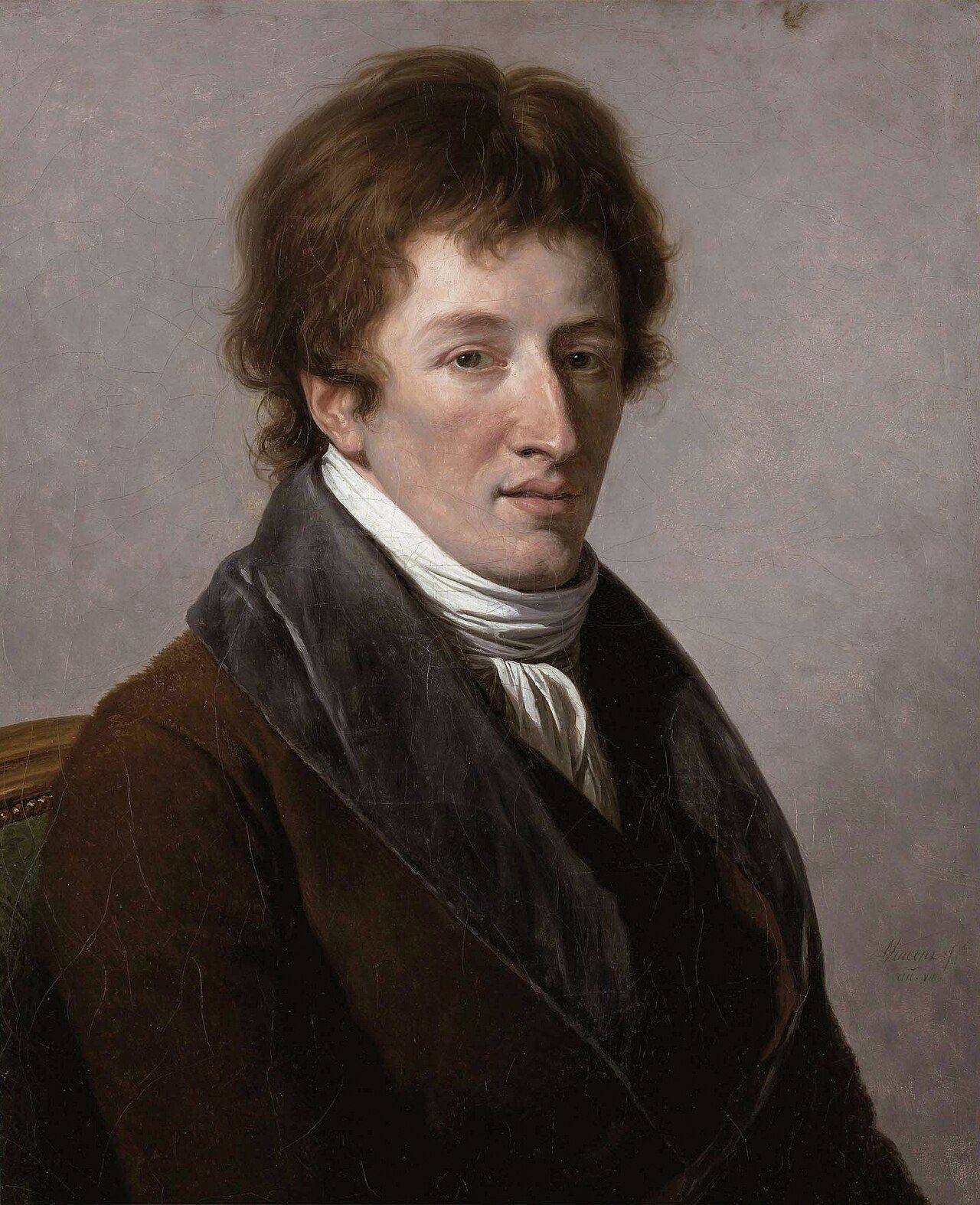
Georges Cuvier was born on August 23, 1769, in Montbéliard, a small town in eastern France. He would become one of the most influential naturalists of his era, dedicating his life to the systematic study of the animal kingdom. Through his work as a zoologist and paleontologist, Cuvier made remarkable contributions to our understanding of natural history and the structure of living organisms.
His career was marked by careful observation and pioneering methods that helped establish modern comparative anatomy and paleontology as rigorous scientific disciplines. Cuvier’s work bridged the living and extinct worlds, allowing scientists to understand creatures that had vanished from the earth long ago. His dedication to precise classification and anatomical study earned him recognition throughout Europe and secured his place among the great naturalists of his time.
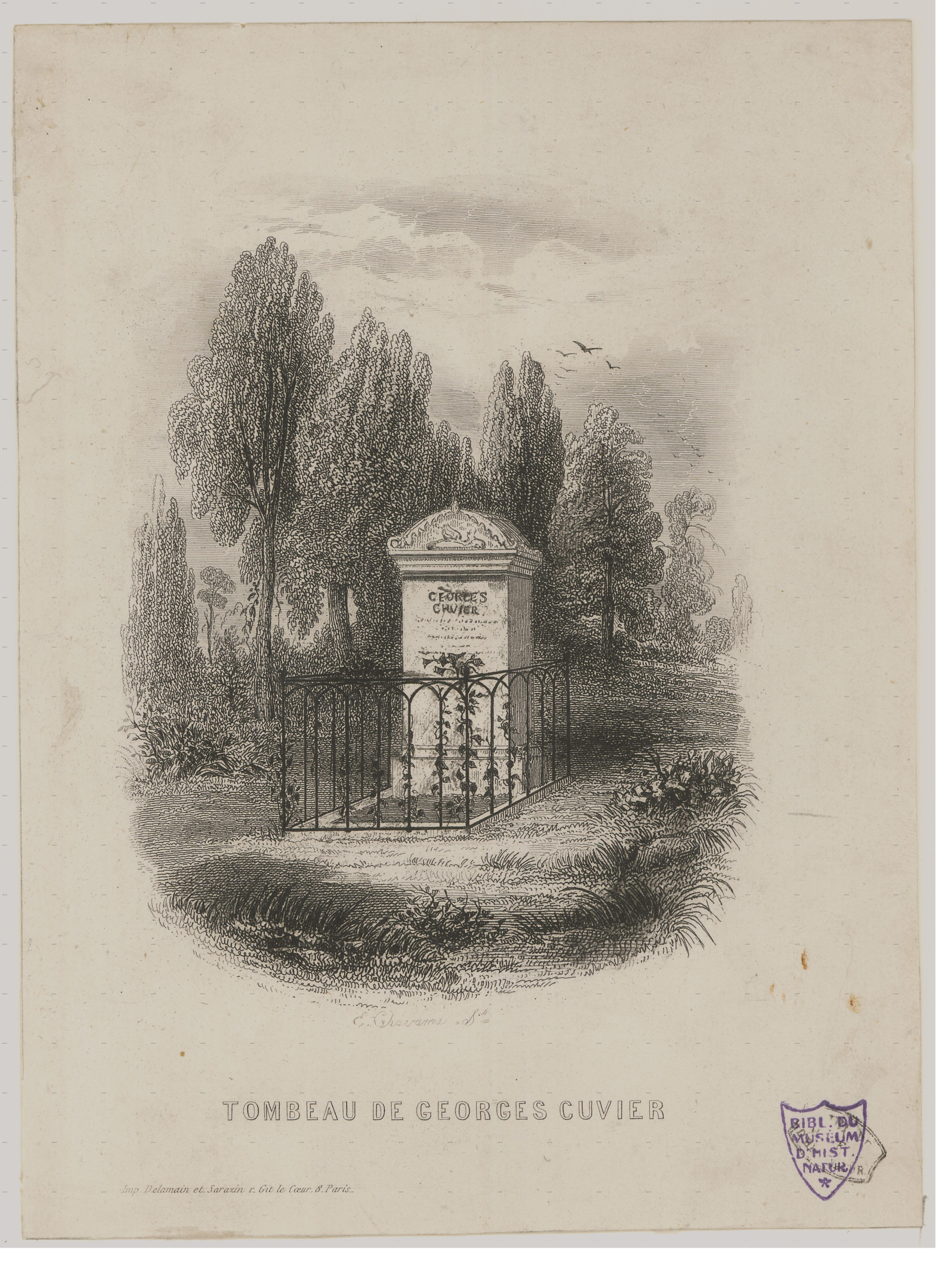
Cuvier spent his final years in Paris, where he continued his scholarly pursuits until his death on May 13, 1832, from cholera during a devastating epidemic that swept through the city’s 12th arrondissement. His legacy endured long after his passing, influencing generations of scientists who followed in his footsteps. He was laid to rest at Père Lachaise Cemetery in Ménilmontant, a fitting resting place for a man whose life’s work had illuminated the natural world.
More Images