Akbar 1542 – 1605
Biography
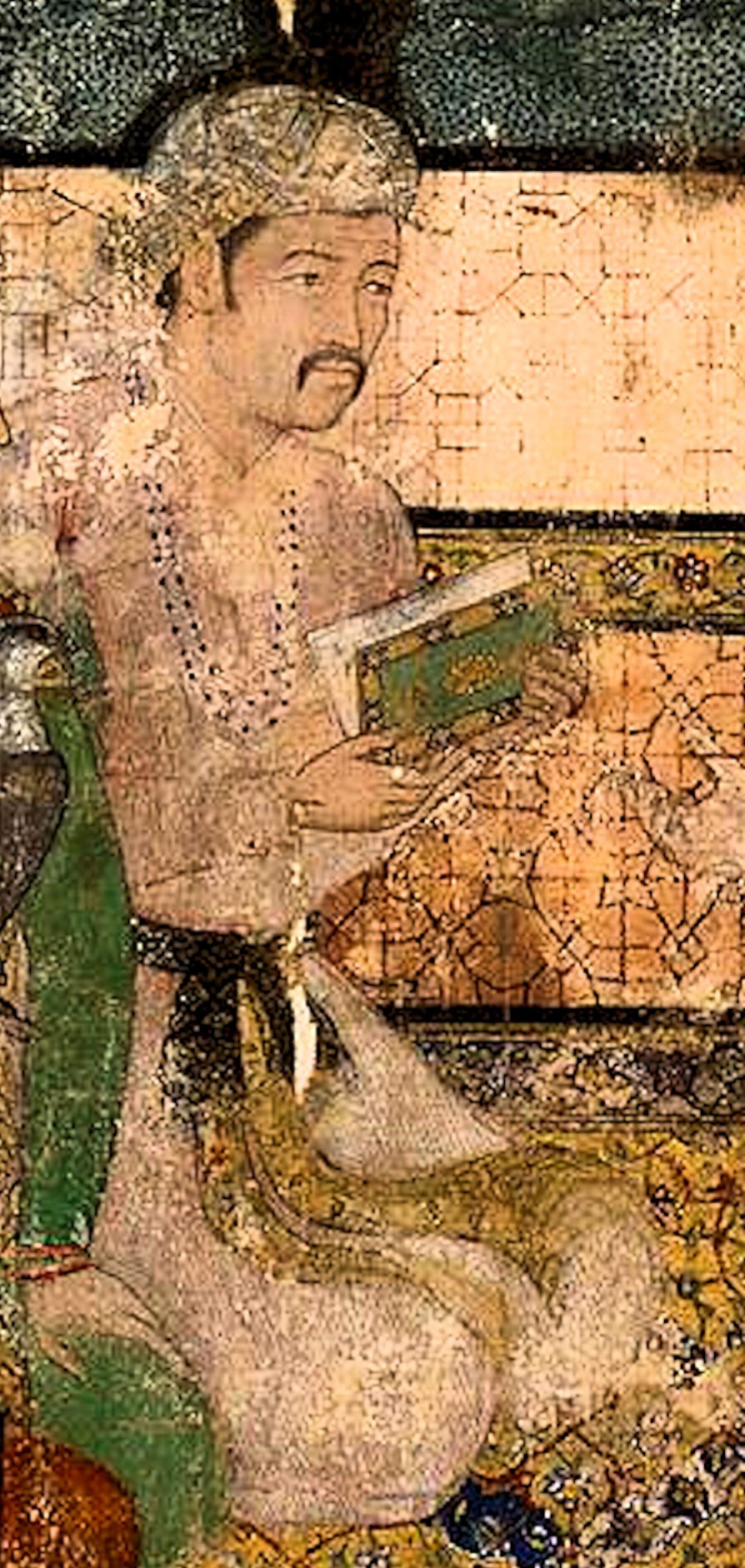
Akbar was the third and greatest Mughal emperor, reigning from 1556 until his death in 1605. Born on October 25, 1542, at Umarkot Fort, he entered the world during a transformative period in Indian history. His nearly fifty-year reign would prove to be one of the most significant in the Mughal Empire, shaping the political, cultural, and social landscape of the Indian subcontinent for generations to come.
On October 15, 1605, Akbar passed away in Fatehpur Sikri, having succumbed to dysentery. Though his life was marked by considerable achievement and influence, his final days were spent in the very city he had built as his capital. His legacy extended far beyond the throne room, touching nearly every aspect of the empire he had so carefully cultivated and expanded throughout his lifetime.
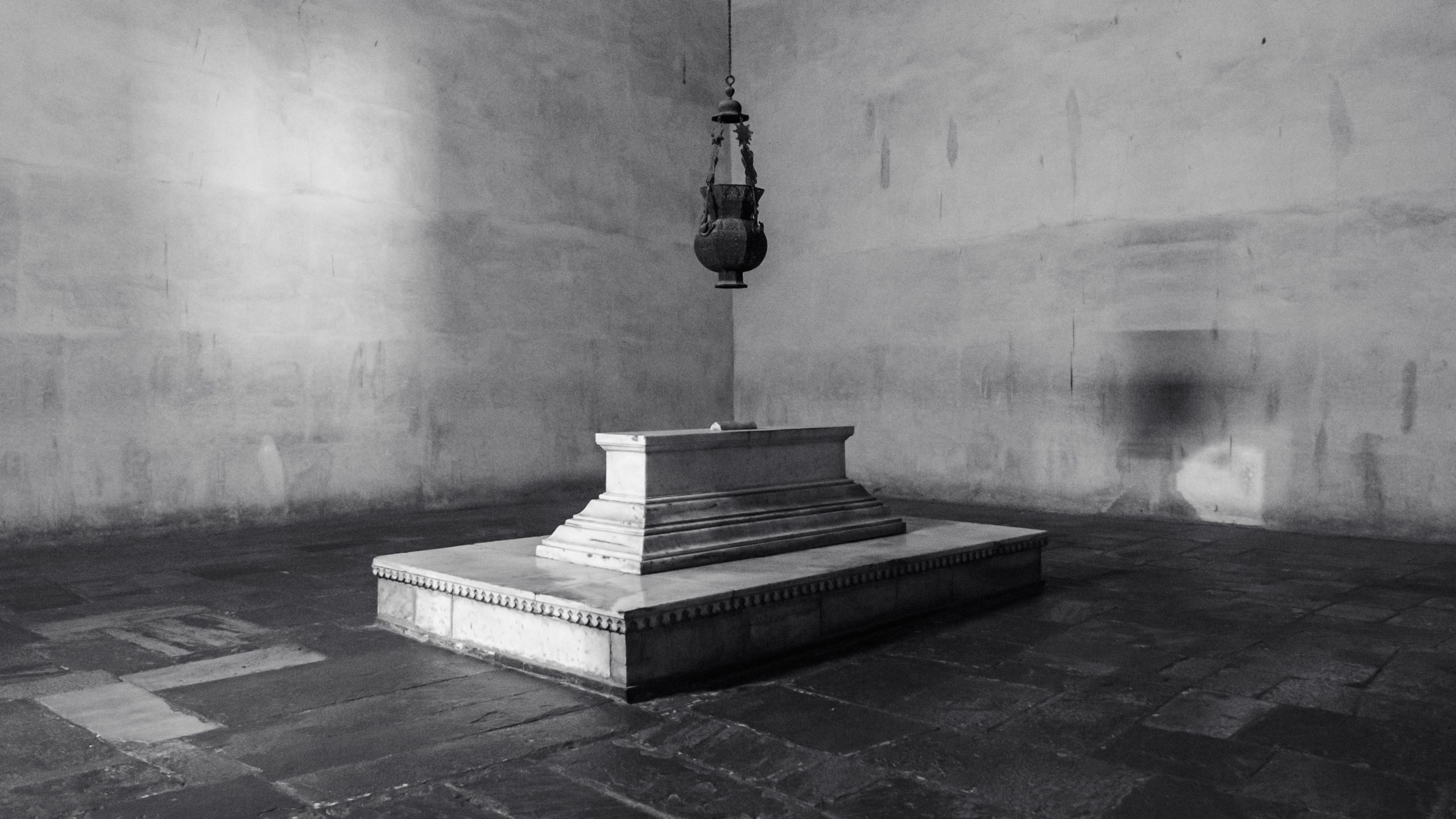
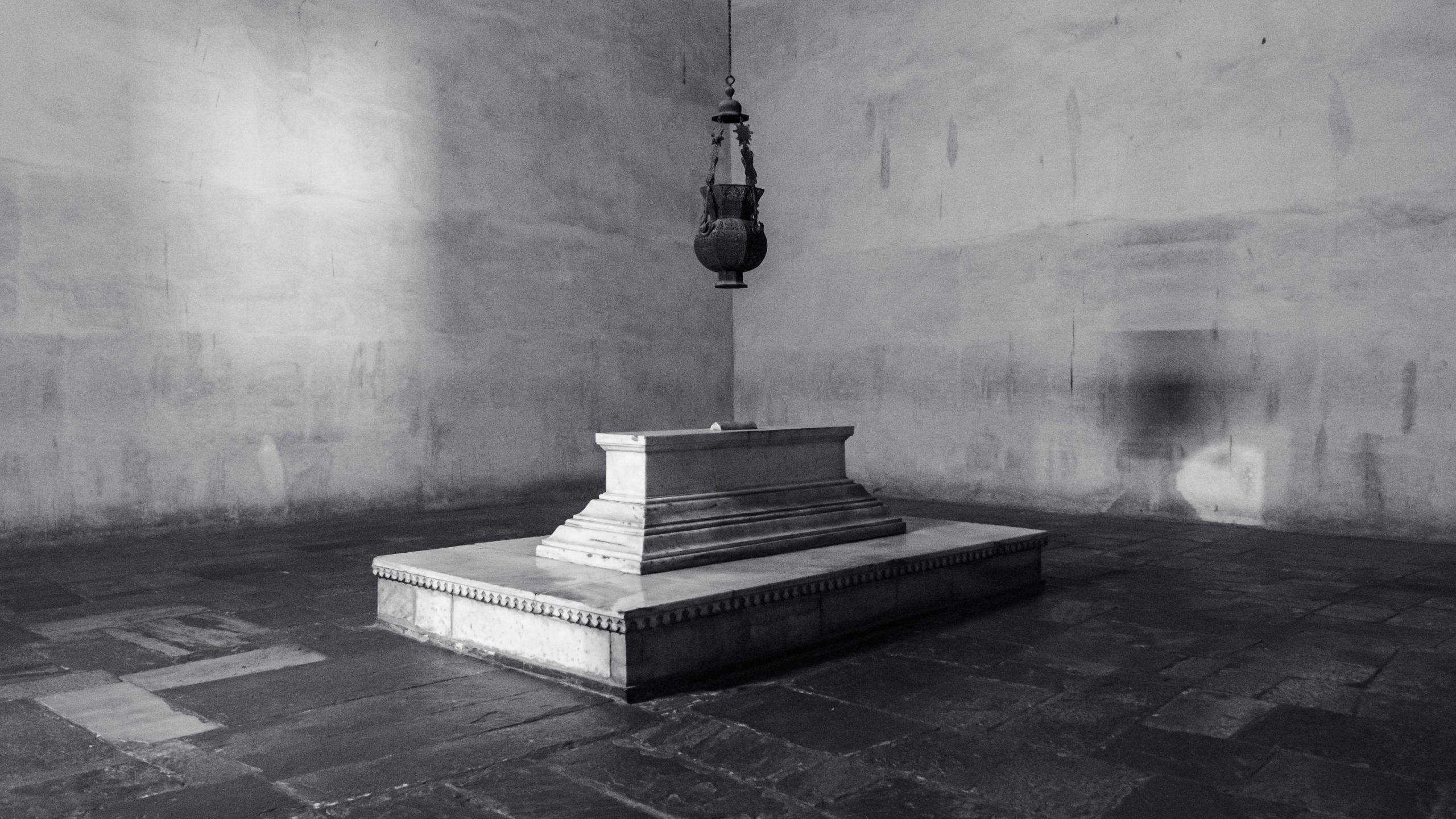
Following his death, Akbar was interred at Akbar’s Tomb in Agra, India, where his remains rest as a testament to his enduring place in history. His burial site stands as a monument to a ruler whose vision and leadership defined an era, ensuring that his contributions to the Mughal Empire would be remembered and honored by all who visited his final resting place.
More Images